Key Points
- Senator Ashley Moody (R-FL) introduced S. 5744 on November 18, 2026. It would move federal student loans, Pell Grants and the FAFSA from the Education Department to the Treasury Department by law.
- The bill mirrors H.R. 9609, the House bill that cleared the Education and Workforce Committee in July but never got a floor vote. The Senate version adds a two-year deadline to finish the transfer.
- The bill dies if it isn’t law by January 3, 2027, so the December 11 funding deadline is the one to watch.
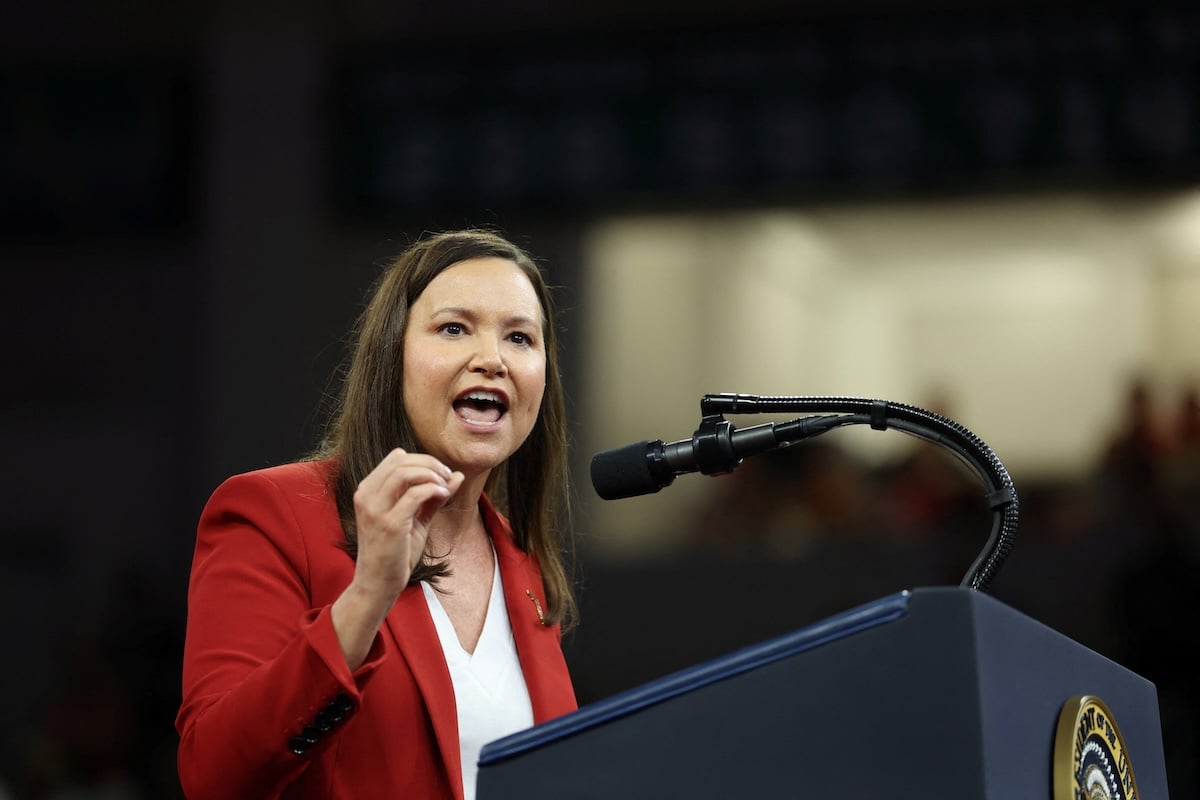
Senator Ashley Moody (R-FL) wants to put the move of federal student loans to the Treasury Department into law. Her Less Bureaucracy, Better Student Aid Act (PDF File) would have Treasury run the $1.7 trillion federal student loan portfolio and nearly every other federal financial aid task, including Pell Grants and the FAFSA.
Treasury already took over defaulted student loan collections under an agreement the two departments announced in March.
Moody introduced the bill on November 18 with Senator Jim Banks (R-IN) as a cosponsor, and it went to the Senate HELP Committee. This is the Senate version of the House bill to dismantle the Education Department that we covered this summer. It also arrives with about six weeks left before the new Democratic-controlled Congress takes over, which makes the timing as important as the text.
Would you like to save this?
What Would The Senate Bill Do?
S. 5744 moves the Education Department’s federal financial aid functions to Treasury in three phases. The Education and Treasury secretaries would set each date together, and no transfer could take effect more than two years after the bill becomes law.
The order matches the three-phase plan the departments announced in March, which he had also seen in court filings as well:
- Defaulted federal student loans move first. That covers collections, due process notices, disputes, rehabilitation, consolidation, compromise and credit reporting.
- Student loans in good standing come next, including billing, payment processing, repayment plan administration, consolidation and disputes.
- Everything left goes last. That includes Pell Grants, Federal Work-Study, FSEOG, Direct Loans, FFEL, Perkins Loans, the need analysis formula behind the FAFSA, school eligibility rules and the Health Education Assistance Loan program.
Staff, contracts, records and unspent funds tied to those jobs would move as-is to Treasury. The bill also orders the Office of Management and Budget to make sure the move adds no net full-time employees across the affected agencies.
Treasury would then run the system with the people and contractors that already handle federal financial aid, not a larger workforce.
How Does This Bill Compare To The House Bills?
S. 5744 is close to a copy of H.R. 9609, the bill Education and Workforce Committee Chairman Tim Walberg (R-MI) introduced in July 2026 as part of a 10-bill “Less Bureaucracy, Better Education” package. The committee approved H.R. 9609 on a 19–16 vote on July 15, but it never went to a full House floor vote.
Our July coverage of the House package walks through all 10 bills.
The three phases, the list of programs, and the collection rules match nearly line for line. The version Walberg introduced left the transfer dates entirely to the two secretaries, while Moody’s bill caps the timeline at two years. Moody’s bill also covers only federal financial aid, while the House package would send other Education Department offices to Labor, HHS, State and Interior.
A bipartisan House bill introduced since then would block four of the department’s office transfers but leaves Federal Student Aid alone.
| Feature | Senate (S. 5744) | House (H.R. 9609) |
|---|---|---|
| Sponsor | Ashley Moody (R-FL), with Jim Banks (R-IN) | Tim Walberg (R-MI) |
| Introduced | November 18, 2026 | July 9, 2026 |
| Where It Stands | In HELP Committee | Passed Committee 19–16 |
| Floor Vote | None | None |
| Transfer Order | Defaulted student loans, then current student loans, then all other programs | Same three phases |
| Deadline To Finish | 2 Years After Enactment | Set by the two secretaries |
| Programs Moved | Direct Loans, FFEL, Perkins, HEAL, Pell Grants, Work-Study, FSEOG, FAFSA need analysis | Same |
| Ends Collection Exemption | Yes | Yes |
| Other Education Department Offices | Not included | Nine companion bills |
What Would It Mean For Borrowers?
Student loan balances, interest rates, and repayment plan rules would not change under S. 5744. The bill simply changes which government department oversees the programs, not the laws that sets their terms. Existing student loans, contracts, and repayment plans would stay in effect, and legal references to the Education Secretary for these programs would point to the Treasury Secretary.
Borrowers deciding on the Repayment Assistance Plan versus other options would face the same decision.
The only change would be the fedearl agency on the other end. Treasury would oversee repayment plan enrollment, consolidation, payment disputes and credit reporting. Servicer contracts would transfer to Treasury too, so the company billing you would stay the same unless Treasury changed it.
The bigger change is for borrowers in default. Section 9 ends the exemption that lets federal student loans skip a federal debt collection rule requiring agencies to hand seriously delinquent debt to Treasury. As we noted in July, writing that into law would make it much harder for a future administration to pause collections the way the government did from 2020 through 2025. Treasury’s collection tools include wage garnishment of up to 15% of pay and offsets of Social Security benefits.
Borrowers in default have two ways out today (rehabilitation and consolidation) and our steps to get out of student loan default compare them. Neither option depends on which agency runs collections, so waiting on Congress doesn’t help.
Why Is S. 5744 Unlikely To Pass On Its Own
Most bills never leave committee, and S. 5744 starts with very little time. USAFacts counts 16,600 bills introduced in the 119th Congress through October, and almost 0.7% have become law. About 87% never moved past the committee they were sent to. To beat those odds, S. 5744 would need a HELP Committee markup, 60 votes on the Senate floor and House passage before January 3, 2027.
Bills don’t carry over from one Congress to the next. Anything not signed into law when the current Congress ends dies and has to be reintroduced. The next Congress will look very different, since Democrats won control of both the House and Senate on November 3.
Senate Democrats have fought this move from the start, and a group of them called the Treasury student loan transfer illegal in April.
Could It Ride Along On The December 11 Funding Bill?
The December 11 government funding deadline is the one path to watch. Federal funding runs out on December 11 under the short-term funding bill Congress passed in September. Our December 11 shutdown deadline coverage explains what a lapse would mean for student loan payments and the FAFSA.
Must-pass bills pull in unrelated policy, and lame-duck sessions are when Congress does much of its lawmaking. The Pew Research Center found that 61% of the laws the 118th Congress enacted became law after Election Day 2024. Any year-end funding package still needs Democratic votes to clear the Senate, and Democrats spent the year fighting the Education Department’s interagency transfers.
Watch any spending deal or continuing resolution for language on Federal Student Aid, interagency agreements or debt collection.
If nothing shows up there, S. 5744 dies on January 3. Treasury’s role keeps growing either way under the March agreement, starting with the $179 billion in defaulted student loans it already manages.
Editor: Colin Graves

Get the latest financial news and actionable insights.
How it works:
- 1Enter your email and subscribe.
- 2Get the latest personal finance and education news delivered every week.
- 3Take control of your finances with real insights.
- 4We won't spam you, ever!

Robert Farrington is the founder of The College Investor and is widely recognized as one of the nation’s leading voices on student loan debt and saving for college. He holds an MBA from UC San Diego Rady School of Management and has spent over 15 years researching, writing, and advising on student loans, 529 plans, financial aid programs, and saving and investing for young professionals.
Robert has been featured in the The New York Times, The Wall Street Journal, The Washington Post, NBC News, and Forbes, where he has been a regular personal finance contributor for over a decade. His work combines both professional expertise and personal experience – he successfully navigated his own student loan repayment journey and has helped thousands of readers do the same.
He is committed to making the intersection of personal finance and education transparent and accessible. You can learn more about Robert on the About Page or on his personal site RobertFarrington.com.