Key Points
- Pete Buttigieg said on Pod Save America, in an episode released November 15, 2026, that Democrats “overtorqued” on student loan forgiveness.
- He still backs debt-free college for future students, but he rejects a “magic wand” for everyone who already borrowed.
- Nothing changes for current borrowers. PSLF, IBR forgiveness and other programs remain in place, and Democrats’ leading bills target interest rates and Pell Grants.
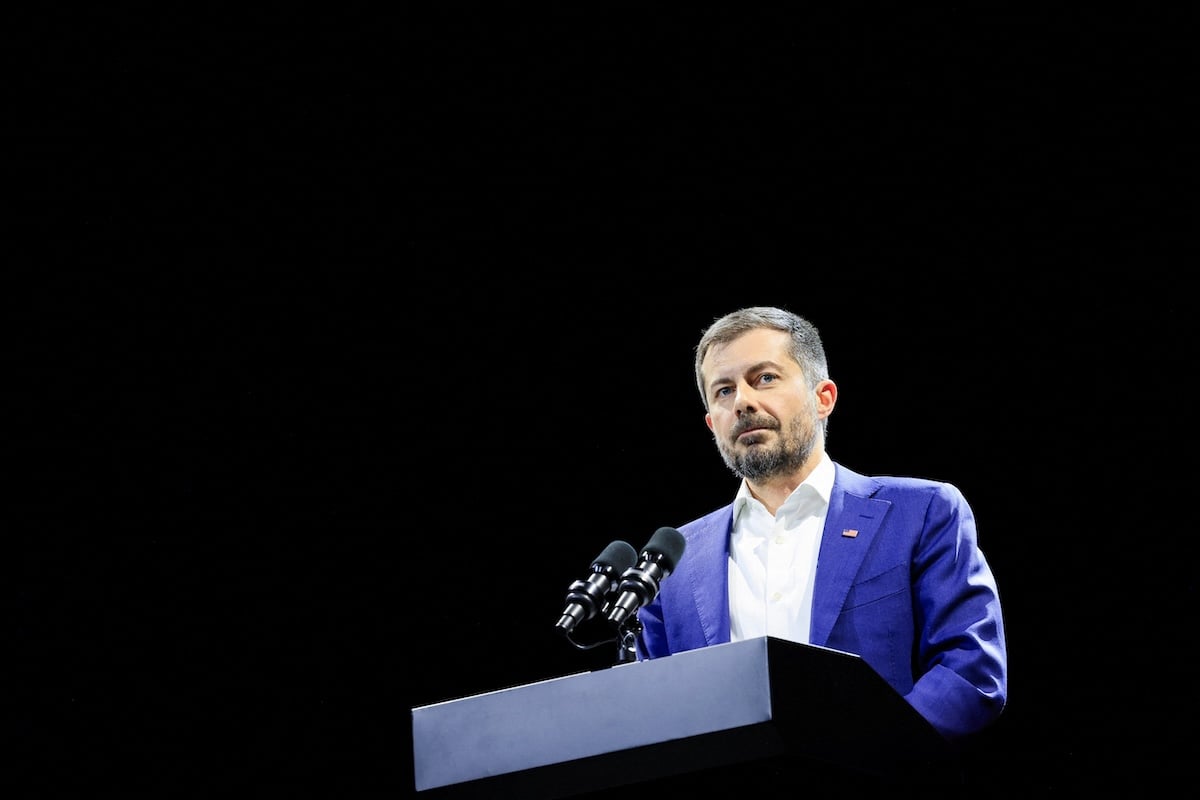
Former Transportation Secretary Pete Buttigieg says his party went too far on broad student loan forgiveness. He made the comments on the Pod Save America podcast, in an episode released Sunday, November 15, 2026.
His comments come less than two weeks after Democrats won control of the House and Senate. Student loans will be one of the first education fights for the new Congress. The current trending proposals, though, are all around interest rates and the student loan borrowing caps. There are not any proposals around broad-based student loan forgiveness or even changing repayment plans.
Would you like to save this?
The News
When Buttigieg was asked where he breaks with mainstream Democratic positions, he pointed to student debt. “I think… we really overtorqued on the student loan thing,” he said. He framed it as a fairness question for Americans who never borrowed for college.
“As a party, I have a very hard time explaining to my relatives in Michigan who did not go to college why they should be paying for people who do,” Buttigieg said. That describes most adults. Census Bureau data show 37.1% of men and 40.1% of women age 25 and older held a bachelor’s degree or higher in 2024, while Americans owe $1.866 trillion in student loans.
Buttigieg didn’t drop the affordability goal. “I believe there are ways to make sure that you come out of college debt-free,” he said. “I don’t believe in like a magic wand to fix that for everybody who borrowed money.”
His focus is on keeping new students from borrowing heavily, not on wiping out existing balances.
Why It Matters
Buttigieg holds no office, but he is one of the leading potential Democratic candidates for president in 2028. As such, his words may shape upcoming policies. For borrowers, nothing changes today.
This isn’t a new policy position for Buttigieg. In the 2020 primary, he was one of the few top Democrats opposed to universal free college. His plan offered debt-free college for low-income families and faster loan forgiveness for public servants. He told podcast host Dan Pfeiffer he still holds positions from that campaign that “weren’t always kind of popular in the party.” Most borrowers who get relief today use the student loan forgiveness programs already written into law.
The split matters because he served in the Biden administration, which approved more than $188 billion in student loan forgiveness for over 5 million borrowers. Most of that ran through targeted programs. Public Service Loan Forgiveness alone accounted for $78.5 billion, about 42% of the total.
The broad loan forgiveness proposal never took effect. The Supreme Court struck down Biden’s one-time plan in a 6-3 ruling in June 2023, a case where College Investor contributor Mark Kantrowitz’s work was cited. That plan would have canceled up to $10,000 per borrower, or $20,000 for Pell Grant recipients.
Where Democrats Stand On Student Loans Now
Democrats don’t have a party-wide plan to cancel student loan debt. Their leading bills target student loan interest and Pell Grants instead.
The Student Loan Interest Elimination Act from Senator Peter Welch and Representative Joe Courtney would set the rate on every existing and future federal student loan to 0%. Democrats seeking the House education committee gavel also want to double the maximum Pell Grant from $7,395 to $14,790.
| Idea | Backed By | What It Would Do | Status |
|---|---|---|---|
| One-Time Broad Cancellation | Biden administration (2022 plan) | Up to $10,000 per borrower, or $20,000 for Pell Grant recipients | Struck down 2023 |
| Targeted Forgiveness Programs | Existing law (PSLF, IBR, disability discharge) | Forgives balances for borrowers who meet program rules | In effect |
| 0% Interest On Federal Student Loans | Senator Peter Welch, Rep. Joe Courtney | Sets the rate on existing and future federal student loans to 0% | In committee |
| 2% To 2.5% Interest Cap | Rep. Anna Paulina Luna, President Trump said he “might” back it | Caps federal student loan interest rates at 2% to 2.5% | In committee |
| Double The Pell Grant | House Democrats seeking the education committee gavel | Raises the maximum award from $7,395 to $14,790 | Proposed |
| Debt-Free College Going Forward | Pete Buttigieg | Keeps new students from borrowing heavily, no broad cancellation | No bill |
Interest rate cuts help some borrowers more than others. Nearly 60% of borrowers are on income-driven repayment plans, where the monthly payment is set by income and family size. A 0% rate would stop their balances from growing, but it wouldn’t lower their monthly bill.
Borrowers on a fixed repayment plan (such as Standard or Extended) would feel it in their payment. On a $30,000 balance repaid over 10 years, a 2.5% interest cap would save an undergraduate borrower about $6,980 in interest.
How This Connects
Buttigieg’s comments come as Democrats decide what to do with their new majorities in the House and Senate. Representative Bobby Scott, who is running to chair the House education committee, said the focus will be on “Pell Grants, student loans and interest on student loans,” according to our coverage of the new Congress.
None of the leading proposals would cancel existing student loan balances.
Current borrowers are still under strain. An estimated 9.5 million borrowers, about 1 in 5, are in default on $233.3 billion in federal student loans. A debt-free promise for future students wouldn’t reach that group, and their defaults are why Welch and Courtney made a second push for their interest-elimination bill this year.
And it’s telling that there are no proposals now to address student loan repayment plans.
What’s Next
The new Congress is sworn in January 3, 2027. Watch whether the student loan interest-elimination bill or a Pell Grant increase moves out of committee, and whether other Democrats echo Buttigieg. Any bill still needs President Trump’s signature.
Before then, Education Secretary Linda McMahon’s reply to lawmakers’ letter on student loan servicing errors is due November 18, 2026. And expect to see much more oversight of the Department of Education next year.
Editor: Colin Graves

Robert Farrington is the founder of The College Investor and is widely recognized as one of the nation’s leading voices on student loan debt and saving for college. He holds an MBA from UC San Diego Rady School of Management and has spent over 15 years researching, writing, and advising on student loans, 529 plans, financial aid programs, and saving and investing for young professionals.
Robert has been featured in the The New York Times, The Wall Street Journal, The Washington Post, NBC News, and Forbes, where he has been a regular personal finance contributor for over a decade. His work combines both professional expertise and personal experience – he successfully navigated his own student loan repayment journey and has helped thousands of readers do the same.
He is committed to making the intersection of personal finance and education transparent and accessible. You can learn more about Robert on the About Page or on his personal site RobertFarrington.com.