Key Points
- Senator Elizabeth Warren and Representative Ayanna Pressley led a November 4, 2026 letter asking Education Secretary Linda McMahon to respond to state student loan ombudspersons by November 18.
- Ombudspersons in seven states and Washington D.C. reported inaccurate payments, balances and IDR payment counts, plus slow IDR processing.
- Borrowers on income-driven repayment plans or pursuing PSLF should check their balances and payment counts now and document any errors.
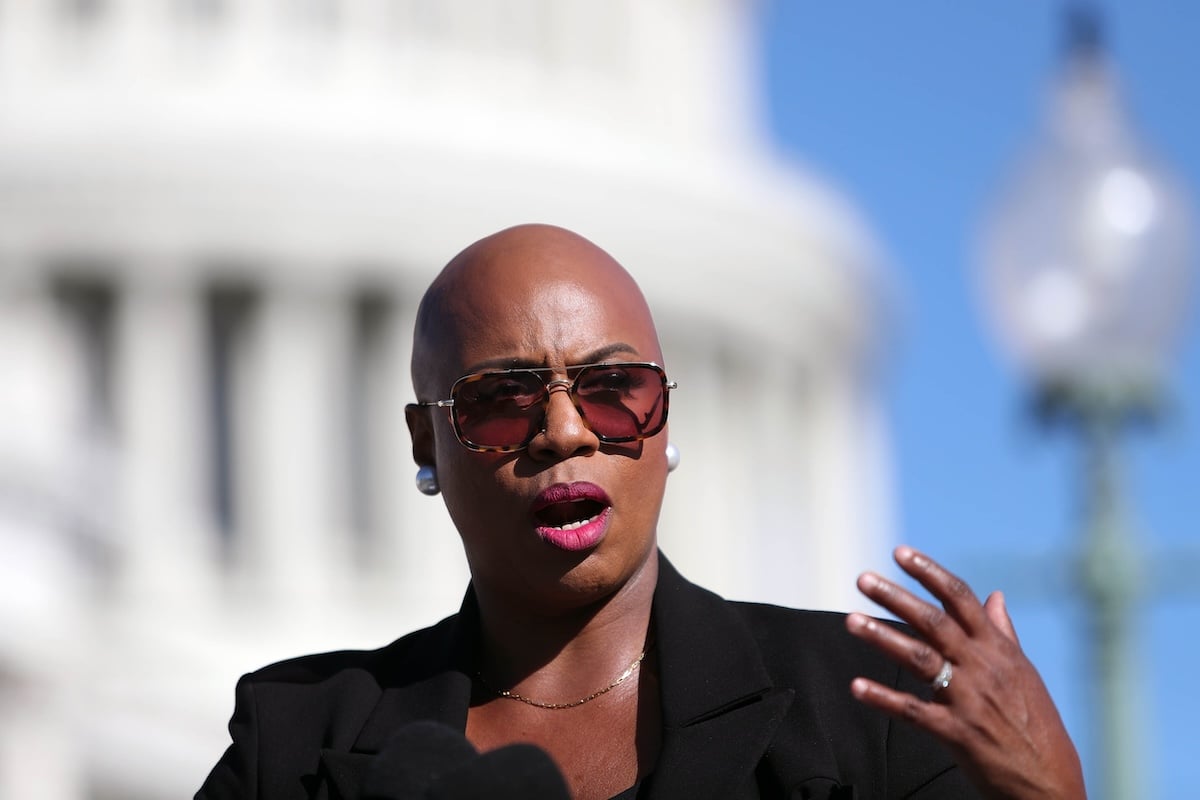
Thirty-three Democratic members of Congress are pressing Education Secretary Linda McMahon to answer for federal student loan servicing errors reported by state officials. Senator Elizabeth Warren (D-Mass.) and Representative Ayanna Pressley (D-Mass.) led the November 4, 2026 letter to McMahon (PDF File). Eight other senators and 23 other House members signed it.
The letter adds pressure to the list of federal student loan servicers, which handle billing and payment counts for the Education Department.
The lawmakers want McMahon to respond to a September 22, 2026 letter from state Student Loan Ombudspersons (PDF File) in Massachusetts, Washington, California, Oregon, Nevada, Connecticut, Illinois and the District of Columbia. They set a November 18, 2026 deadline and asked for a copy of her reply.
Pressley’s office said members from all eight jurisdictions signed. It lands as servicers absorb the July 1 overhaul, which GAO says the department left servicers scrambling to implement.
Would you like to save this?
Why It Matters
Loan servicing errors show up as real money on a borrower’s bill. The ombudspersons wrote that the problems “materially affect borrowers’ payment obligations, loan balances, and access to forgiveness.” The timing raises the stakes, since roughly 7 million SAVE borrowers had to pick a new repayment plan within 90 days of their servicer notice. Every one of those plan changes runs through the same servicing system the states flagged.
The lawmakers tie the errors to shrinking oversight. A March 2026 Government Accountability Office report found the Office of Federal Student Aid lost more than 40% of its staff. GAO also found FSA had stopped reviewing servicer accuracy and call quality in February 2025, and FSA disagreed with GAO’s call to restart those reviews.
“Rather than tackle these servicing failures, the Trump administration has enabled more to occur,” the lawmakers wrote.
The Education Department has said it fixes repayment errors as they come up, according to Business Insider. An Inspector General review also found FSA’s servicer oversight teams were left with no employees after the 2025 layoffs.
What The State Ombudspersons Flagged
The ombudspersons listed recurring problems tied to income-driven repayment plans and Public Service Loan Forgiveness, according to the congressional letter. Most of them are about what a borrower pays or when forgiveness arrives. Slow IDR processing is a familiar complaint, since the IDR application backlog passed 1.5 million in mid-2025.
| Problem | What It Can Mean For You | What To Check |
|---|---|---|
| Wrong Monthly Payments | Your IDR bill may not match your income and family size. | Compare your bill to the income and family size you reported. |
| Wrong Student Loan Balances | Data from a servicer transfer may not load correctly, which can lead to overbilling. | Match your balance on StudentAid.gov against your servicer’s figure. |
| Wrong IDR Payment Counts | Your forgiveness date may be later or earlier than it should be. | Keep your own log of qualifying months. |
| Slow IDR Application Processing | Your plan change can sit in a queue for months. | Save your confirmation and check status on StudentAid.gov. |
| Complaint System Glitches | Technical problems blocked some borrowers from filing complaints with servicers. | Screenshot errors and escalate to Federal Student Aid or the CFPB. |
| PSLF Buyback Delays | Borrowers may make payments they didn’t need to make. | Count how close you are to 120 qualifying payments. |
The ombudspersons also recommended fixes. They asked the department to correct how IDR payments are calculated and to improve tracking of payments that count toward PSLF and IDR cancellation. They also called for better complaint resolution and customer service. Payment count errors are not hypothetical, since many borrowers saw PSLF payment counts drop in August with little notice.
The PSLF Buyback delays carry a specific cost. Borrowers waiting on a buyback may keep making “months or years of potentially unnecessary or more expensive payments,” the ombudspersons wrote. The department reported 89,720 PSLF Buyback applications pending as of March 2026, and many of those borrowers will reach 120 payments before their request is processed.
What Borrowers Can Do Now
Borrowers can’t fix the servicing system, but they can catch errors on their own accounts early. These steps apply whether or not you live in one of the eight jurisdictions. Your own records matter because the IDR payment count tracker disappeared from StudentAid.gov for months in 2025.
- Compare your balance and payment count on StudentAid.gov against your servicer’s numbers, using the IDR payment tracker where it’s available.
- Save every billing statement, application confirmation and call note in one folder.
- Recertify your income-driven repayment plan yourself, 45 to 30 days before your deadline, so you can confirm the income and family size used.
- Check a pending buyback against your current count, because PSLF Buyback may not be worth waiting for if you’re close to 120 payments.
- Escalate unresolved errors to Federal Student Aid, the CFPB or your state ombudsperson after contacting your servicer.
How This Connects
The ombudspersons’ letter lines up with problems The College Investor has tracked all year. In August, MOHELA borrowers in good standing saw false past-due notices showing some accounts 12 months behind. The lawmakers’ letter cites the same episode, noting MOHELA warned some borrowers of wage garnishment.
Payment calculation errors have also hit borrowers changing plans. The department told some recent applicants to reapply for IDR after a payment error produced the wrong monthly amount. The IDR application backlog stood at 530,295 at the end of April 2026, the last month the department reported that figure in its court filings. PSLF borrowers have taken a different route, and a teachers union has sued the department over stalled PSLF Buyback requests and lost payment credits.
What’s Next
McMahon’s response is due November 18, 2026. Watch whether the department answers the ombudspersons’ specific recommendations and whether it restarts servicer accuracy reviews.
Borrowers in the eight jurisdictions can also bring account problems to their state ombudsperson, whose office handles servicing complaints. Public data will be thin, since the department’s monthly backlog reports ended after the six court-ordered status reports were filed.
Editor: Colin Graves

Robert Farrington is the founder of The College Investor and is widely recognized as one of the nation’s leading voices on student loan debt and saving for college. He holds an MBA from UC San Diego Rady School of Management and has spent over 15 years researching, writing, and advising on student loans, 529 plans, financial aid programs, and saving and investing for young professionals.
Robert has been featured in the The New York Times, The Wall Street Journal, The Washington Post, NBC News, and Forbes, where he has been a regular personal finance contributor for over a decade. His work combines both professional expertise and personal experience – he successfully navigated his own student loan repayment journey and has helped thousands of readers do the same.
He is committed to making the intersection of personal finance and education transparent and accessible. You can learn more about Robert on the About Page or on his personal site RobertFarrington.com.