Key Points
- Florida named Step Up, Step Further and AAA as its scholarship granting organizations for the federal Education Freedom Tax Credit, which starts January 1, 2027.
- Donors get a dollar-for-dollar federal tax credit of up to $1,700, or up to $3,400 for a married couple filing jointly when each spouse gives.
- The scholarship money comes from donors who redirect part of their federal income tax. It doesn’t come out of Florida school district budgets, and public school students can use it.
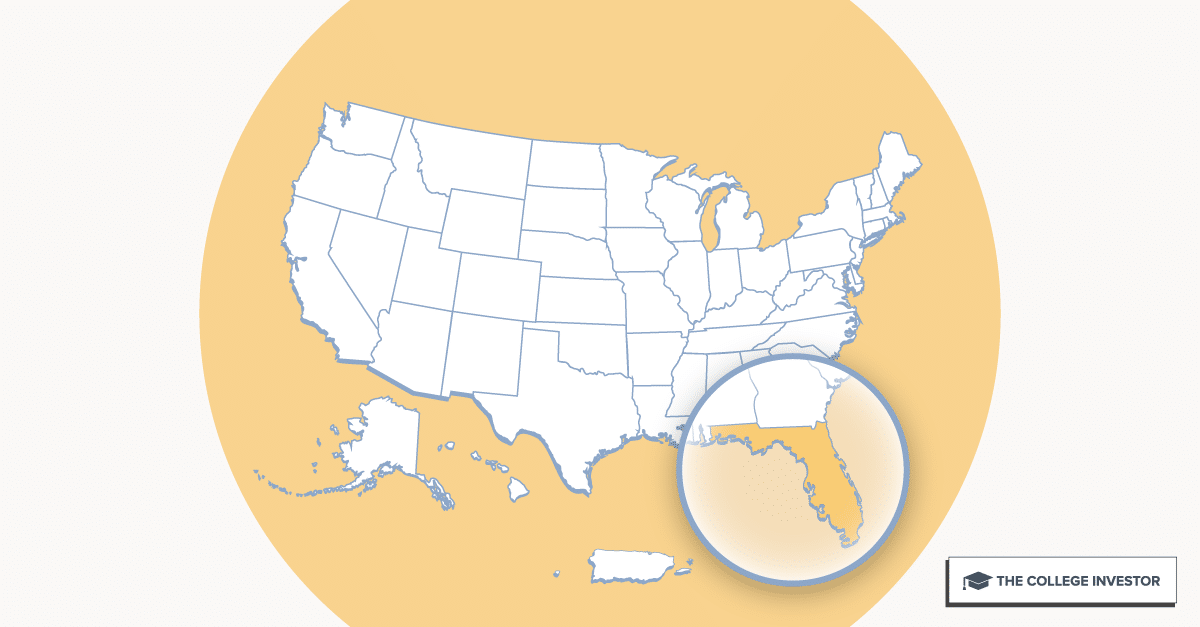
Florida taxpayers will be able to send up to $1,700 of their 2027 federal income tax to K-12 scholarships instead of the IRS through taxes. Governor Ron DeSantis announced Florida’s launch of the program on November 20, 2026, putting the federal Education Freedom Tax Credit to work in the state.
His office named two scholarship granting organizations, or SGOs, to collect donations. Here’s how the credit works for donors, along with what Florida scholarships pay for. We also explain why this money adds to K-12 funding instead of pulling from public schools.
Would you like to save this?
How Does The Education Freedom Tax Credit Work For Florida Donors?
The Education Freedom Tax Credit gives donors a dollar-for-dollar federal tax credit for cash gifts to an approved SGO. The cap is $1,700 per taxpayer per year. A married couple filing jointly can claim up to $3,400 when each spouse gives in their own name. Because it’s a tax credit, it comes straight off your tax bill, which makes it worth far more than a deduction.
Here’s the math for a Florida couple who each give $1,700 in 2027. If they owe at least $3,400 in federal income tax, the credit wipes out $3,400 of that bill. The gifts cost them nothing.
Our breakdown of the $3,400 credit shows the same $1,700 gift taken as a deduction would save a donor in the 22% bracket just $374. Florida has no personal income tax, so individual donors there won’t have a state income tax credit that shrinks the federal amount.
| Item | Details |
|---|---|
| Credit Amount | Up to $1,700 per taxpayer, dollar for dollar |
| Married Couples | Up to $3,400 when each spouse gives |
| Florida SGOs | Step Up, Step Further and AAA |
| Who Can Donate | U.S. citizens and residents in any state |
| Student Income Limit | Up to 300% of area median income |
| What Scholarships Cover | Tuition, tutoring, special education services, books and supplies |
| First Eligible Gifts | January 1, 2027 |
| How To Claim | Form 8525 with your SGO donor number |
A few rules apply to every donor. The credit is nonrefundable, so it can cut your federal tax to zero but won’t produce a tax refund. Unused credit carries forward for up to five years, and you don’t need to itemize to claim it on Form 8525.
You also can’t earmark a gift for a specific child, so parents paying their own child’s private school tuition should look at a 529 plan instead.
Which Organizations Can Florida Donors Give To?
Florida designated two SGOs for 2027: Step Up, Step Further and AAA. Step Up, Step Further is the sister organization of Step Up For Students, which already runs Florida’s state choice scholarships. The group also announced $5 million in private donations to support the launch of the $1,700 school choice credit.
Step Up, Step Further is partnering with the Florida Chamber Foundation’s Florida Prosperity Initiative to secure at least $250 million in commitments for 2027. The campaign runs through employers, who will tell workers about the credit. It focuses on low-income public school students who qualify for free or reduced-price lunch. Those families can also plan ahead with Florida’s college financial aid programs.
Donors in any state can give to a Florida SGO, since the credit doesn’t depend on where you live. Florida is one of 31 states on the IRS participating list as of November 13, 2026. States have until February 15, 2027 to submit their first SGO lists, so check that an organization appears on the IRS list before you give.
Does The Tax Credit Take Money Away From Public Schools?
No. The scholarship dollars come from private donors, not from Florida’s public school budgets. A school district doesn’t lose any of its state or local funding when a taxpayer gives to an SGO.
The money is new to K-12 education. A donor sends a donation to a scholarship group, and the federal government gives that donor a matching tax credit. Treasury describes these gifts (PDF File) as money that “would otherwise have been owed to the government in Federal income taxes.” That’s the same mechanism behind other federal tax credits, which lower what you owe the IRS.
Public school students can benefit directly. A student must be eligible to enroll in a public school to qualify, and scholarships can pay for tutoring, special education services, books and supplies for kids who stay in their district school. That’s the group the Florida Chamber campaign is focused on.
Critics see the cost differently. Senate Democrats’ have already introduced a repeal bill that cites a Joint Committee on Taxation estimate that the credit will cost $25.9 billion in federal revenue over 10 years. That bill, backed by 30 Democratic senators, would repeal the credit before it starts. Opponents also argue that scholarships help students leave public schools, which can lower enrollment-based funding.
Who Qualifies For A Florida Scholarship And What Does It Cover?
A student qualifies if household income is no more than 300% of the area median gross income, adjusted for family size. That limit averages about $330,000 for a family of four nationally. Research from the American Federation for Children found nearly 92% of U.S. kids qualify under that test.
Scholarships can cover tuition at a public, private, or charter school. They can also pay for tutoring, special education services, books, supplies and qualifying extended-day programs.
Students who already receive certain Florida choice scholarships may also benefit, according to the governor’s office. Tutoring money matters because only 1 in 10 students fully recovered from Covid learning loss as of 2026.
Eligibility doesn’t guarantee an award, so families should apply directly with Step Up, Step Further or AAA. Families paying private school tuition on their own can still use the Florida 529 plan for K-12 tuition, and it’s worth checking other scholarship options too.
What Happens Next For Florida’s Program?
Only gifts made on or after January 1, 2027 count, so a December 2026 donation won’t qualify. Donors who give in 2027 claim the credit on the tax return they file in 2028, using the acknowledgment and donor number the SGO sends by January 31, 2028. Keep that letter, because leaving the donor number off your return creates a presumption that the federal tax credit is disallowed.
Treasury’s proposed rules could still change before they’re final, and the politics haven’t settled. Democrats have pitched ending the credit if they win Congress. For now, Florida donors can plan their 2027 gifts using our rundown of who qualifies and when.
Editor: Colin Graves

Robert Farrington is the founder of The College Investor and is widely recognized as one of the nation’s leading voices on student loan debt and saving for college. He holds an MBA from UC San Diego Rady School of Management and has spent over 15 years researching, writing, and advising on student loans, 529 plans, financial aid programs, and saving and investing for young professionals.
Robert has been featured in the The New York Times, The Wall Street Journal, The Washington Post, NBC News, and Forbes, where he has been a regular personal finance contributor for over a decade. His work combines both professional expertise and personal experience – he successfully navigated his own student loan repayment journey and has helped thousands of readers do the same.
He is committed to making the intersection of personal finance and education transparent and accessible. You can learn more about Robert on the About Page or on his personal site RobertFarrington.com.