
Key Points
- The $1,700 Education Freedom Tax Credit takes effect on January 1, 2027.
- About 51.7 million kids (92% of school-age children) meet the income test.
- Six states hold waivers freeing over $109 million from federal spending rules.
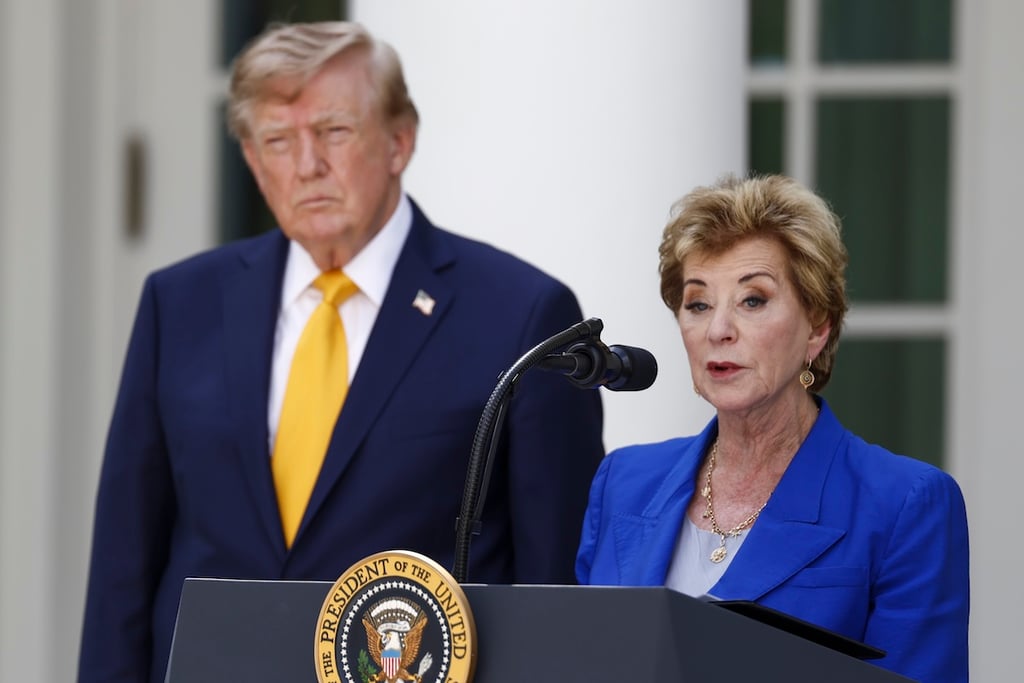
Education Secretary Linda McMahon joined President Trump at the White House Rose Garden on August 24 for a back-to-school event framed around what she called “a return to common sense in American education.” Her prepared remarks centered on three items: the Education Freedom Tax Credit, six state waivers freeing more than $100 million from federal spending rules, and a record 25 states using Ed-Flex authority.
McMahon said Americans have spent $3 trillion on a federal Department of Education while only 30% of students read or do math proficiently. An analysis of federal data shows only 31% of fourth graders scored at or above NAEP Proficient in reading on the 2024 Nation’s Report Card. For context, the $3 trillion figure is a Department talking point covering cumulative spending since 1980, not an annual number.
Would you like to save this?
.@EdSecMcMahon: "This school year, American parents and students have so much to be excited about because the Trump Administration is steering education back to its rightful focus: serving students so that they are prepared for successful futures." pic.twitter.com/KbyglnaxFu
— Rapid Response 47 (@RapidResponse47) August 24, 2026
Why It Matters
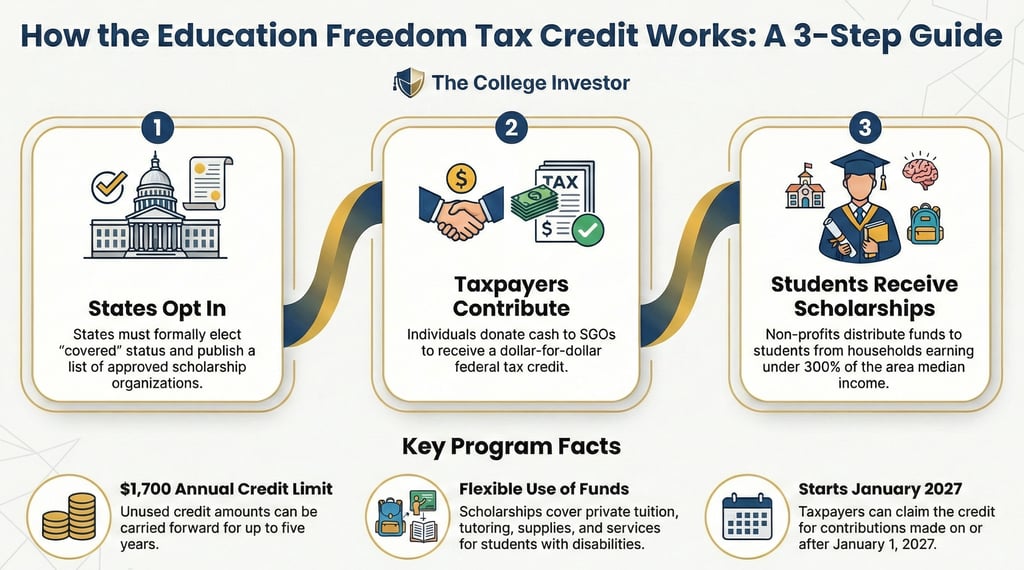
Starting January 1, 2027, taxpayers can claim a dollar-for-dollar federal credit of up to $1,700 for donations to scholarship granting organizations, called the Education Freedom Tax Credit. These scholarship provides, in turn, can provide scholarship dollars to help offset the cost of private school.
Scholarships go to students in households under 300% of area median gross income – which is a threshold so wide that 51.7 million children qualify, or roughly 92% of school-age kids. Funds cover tuition, books, tutoring, transportation and technology, and public school families are eligible.
The Numbers Behind The Claims
- State sign-ups: The IRS has confirmed 27 states elected to participate as of June 8, with the Education Commission of the States tracking 31 planning to join. That more-than-half milestone is what McMahon referenced in her speech.
- Waivers: Arkansas, Indiana, Iowa, Louisiana, South Dakota and Vermont hold Returning Education to the States waivers, consolidating over $109 million in federal funds.
- Ed-Flex: Stateline reported 22 states held the authority in early August, the most in the program’s 32-year history, before three more were recently added.
How This Connects
The event caps a year in which the Department shifted special education oversight to HHS and civil rights enforcement to the Justice Department, issued guidance barring race-based school discipline, and drew a House resolution seeking McMahon’s impeachment over the dismantling effort.
McMahon has defended that record before House lawmakers, while state teachers unions argue funding consolidation reduces transparency and pulls money from high-need districts.
What’s Next
Treasury and IRS are still crafting the final rules on scholarship granting organization certification before the January 2027 launch, and states must submit qualifying SGO lists by January 1 each year.
Watch whether 30 Senate Democrats’ repeal push gains traction after the midterms, and whether House Republicans’ bill to close the Department moves forward.
Editor: Colin Graves

Robert Farrington is the founder of The College Investor and is widely recognized as one of the nation’s leading voices on student loan debt and saving for college. He holds an MBA from UC San Diego Rady School of Management and has spent over 15 years researching, writing, and advising on student loans, 529 plans, financial aid programs, and saving and investing for young professionals.
Robert has been featured in the The New York Times, The Wall Street Journal, The Washington Post, NBC News, and Forbes, where he has been a regular personal finance contributor for over a decade. His work combines both professional expertise and personal experience – he successfully navigated his own student loan repayment journey and has helped thousands of readers do the same.
He is committed to making the intersection of personal finance and education transparent and accessible. You can learn more about Robert on the About Page or on his personal site RobertFarrington.com.