Key Points
- The American Enterprise Institute’s tracker lists 52 graduate schools and programs that cut their net price after Congress capped graduate student loans in 2025.
- Only 11 of the 52 are outright tuition cuts. The rest are discounts, scholarships, in-state rates or a freeze, often limited to alumni or state employees.
- Most new graduate students can now borrow $20,500 a year in federal student loans, so the price you actually pay matters more than ever.
The American Enterprise Institute (AEI) is tracking graduate schools that have lowered their prices since Congress capped graduate student loans. Its Graduate School Tuition Cut Tracker lists 52 graduate schools and programs that cut their net price after the One Big Beautiful Bill Act became law.
A big driving force is the launch of the new graduate student loan limits.
AEI senior fellow Preston Cooper built the tracker. He wrote in AEI’s launch post on October 15 that “one of the primary goals of the loan limits is to pressure graduate schools to bring down their tuition.” The tracker counts sticker price cuts, discounts and scholarships if a broad group of students qualifies.
A school doesn’t have to blame the new law to make the list, though six of the 52 announcements cite it. We’ve already seen UC Irvine cut its Flex MBA to $99,000, one of the schools that did.
Would you like to save this?
Why It Matters
New graduate students lost their unlimited federal borrowing option on July 1, 2026. The Education Department caps federal graduate student loans at $20,500 a year and $100,000 total. Professional students can borrow $50,000 a year and $200,000 total, and new Grad PLUS loans are gone for new borrowers. Our coverage of Grad PLUS loans ending in 2026 lays out who is grandfathered.
Anything a program charges above those caps now comes from savings, scholarships or private student loans. College Investor contributor Mark Kantrowitz estimated that private student loan volume could rise as much as 85% as the caps phase in.
Which Graduate Schools Have Cut Tuition?
Only 11 of the 52 entries are outright cuts to the posted tuition price. The other 41 lower the price for some students but not all. The table below lists the 11 programs that cut tuition outright, and our look at how the new graduate school student loan limits hit colleges covers the pressure schools now face.
| School | Program | The Cut |
|---|---|---|
| Albany College Of Pharmacy And Health Sciences | Three health sciences master’s programs | $1,200 per credit hour |
| Coker University | Online MBA and MS in Sports Administration | 28%, to $15,000 total |
| Eastern Kentucky University | Education, business, criminal justice and public health | MBA down 10%, to $607 per credit hour |
| Madonna University | All fully online graduate programs | $550 per credit hour |
| Marian University | Online thanatology master’s and certificates | $550 per credit hour |
| Morehead State University | Master of Arts in Teaching | $275 per credit hour |
| Neumann University | Nursing and cybersecurity master’s, Doctor of Nursing Practice | 15% to 29% |
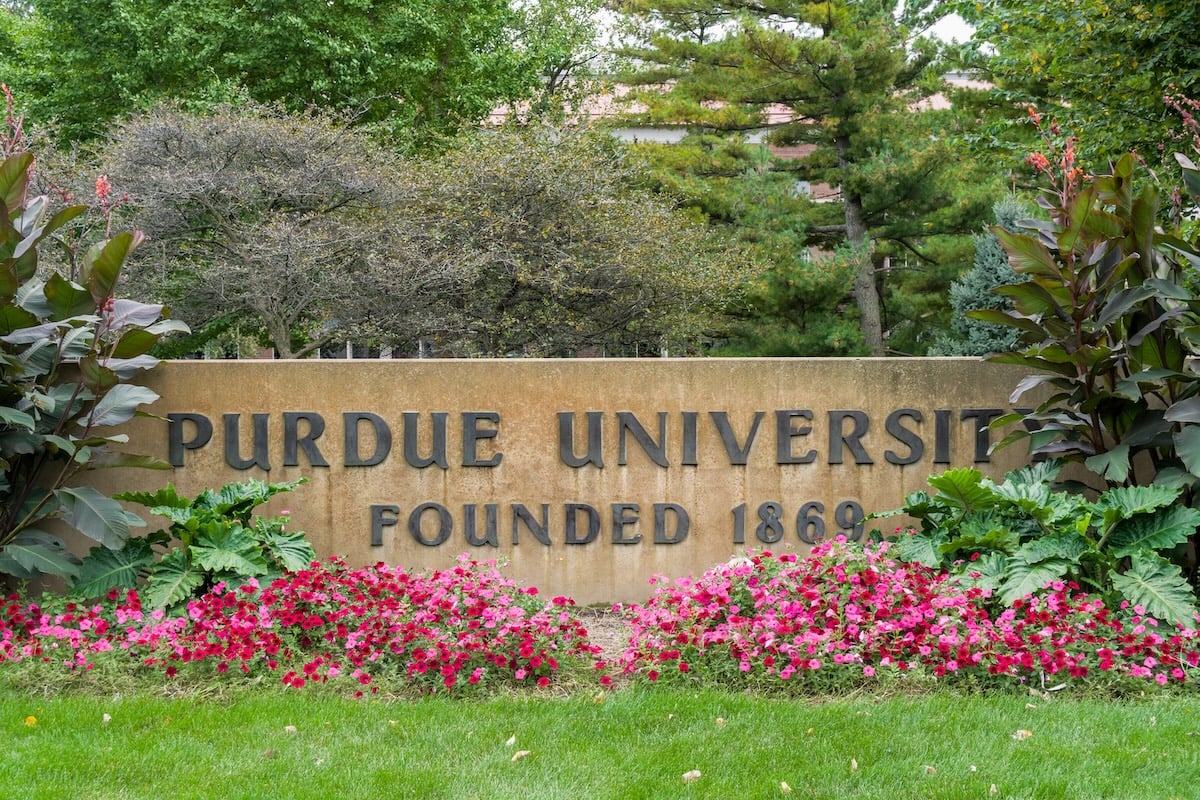
| Purdue University | Online MS in Global Supply Chain Management | More than 30% |
| UC Irvine Merage School Of Business | Flex MBA and Executive MBA | $30,000 and $48,000 |
| Virginia Tech Carilion School Of Medicine | Medical school, Virginia residents | $15,000, or 23% |
| Wayland Baptist University | Graduate tuition, Plainview, Texas, campus | More than 35% |
The other 41 entries break down into 19 discounts, 19 scholarships, two in-state tuition offers and one tuition freeze at Midwestern University. Many of them come with strings. By our count, at least nine target a school’s own alumni. Five more target Pennsylvania state employees and their families.
That pattern looks a lot like undergraduate pricing, where colleges now discount tuition 56% on average off a sticker price few families pay.
What Does A Tuition Cut Mean For Your Graduate School Student Loans?
A tuition cut helps most when it brings the full price of a program under the federal cap. A hypothetical 30-credit master’s at Madonna University’s new $550 per credit hour costs $16,500 in tuition, which fits inside one year of the $20,500 graduate limit.
Our walkthrough of what new graduate students need to know about the July 1 limits shows how to check your own program the same way.
Bigger programs still leave a large bill. UC Irvine’s $99,000 Flex MBA sits just under the $100,000 graduate total, but a two-year student can only borrow about $41,000 in federal student loans at $20,500 a year. That leaves roughly $58,000 to cover from savings, an employer or private student loans. We’ve reported that private lenders may not replace Grad PLUS for every borrower either.
Professional programs barely show up on the list. Only two of the 52 entries are law or medical schools, and one is a $16,000 annual scholarship at Santa Clara University School of Law. The other is Virginia Tech Carilion School of Medicine, which cut Virginia resident tuition from $63,985 to $48,985 a year starting in fall 2026. That lands tuition just under the $50,000 annual cap on professional student loans, though rent and food still push the full cost above it.
How This Connects
At The College Investor, we’ve long argued that colleges should post an honest price up front instead of a big sticker price and a pile of discounts. That’s why we liked Wheaton College cutting tuition by $30,000 for fall 2027. The 11 outright cuts on AEI’s list follow that model, while most of the other 41 entries keep the old discounting habit.
Our review of why 446 colleges say they raise tuition shows how rarely schools move the sticker price down.
Economists don’t agree on how far prices will fall. NPR reported in June that research on Texas graduate schools found prices rose $0.64 for every extra dollar students received in student loans. Other research cited in the same NPR story found no direct link. Our look at why colleges can’t just cut costs explains why lowering prices is harder than it sounds.
What’s Next
AEI says it will update the tracker as schools announce new cuts, and fall 2027 pricing decisions are the next test. Before you commit to a program, ask the financial aid office for the full cost of attendance after any scholarship or discount. Compare that number to your federal limit. If a health program leaves you short, start with our list of the best student loans for health professional students.
Editor: Colin Graves

Robert Farrington is the founder of The College Investor and is widely recognized as one of the nation’s leading voices on student loan debt and saving for college. He holds an MBA from UC San Diego Rady School of Management and has spent over 15 years researching, writing, and advising on student loans, 529 plans, financial aid programs, and saving and investing for young professionals.
Robert has been featured in the The New York Times, The Wall Street Journal, The Washington Post, NBC News, and Forbes, where he has been a regular personal finance contributor for over a decade. His work combines both professional expertise and personal experience – he successfully navigated his own student loan repayment journey and has helped thousands of readers do the same.
He is committed to making the intersection of personal finance and education transparent and accessible. You can learn more about Robert on the About Page or on his personal site RobertFarrington.com.