- 446 colleges with the fastest price increases had to explain them to the Education Department, and 60% said they have no plan to lower costs.
- A handful admitted federal aid or competitors’ prices drove their increases, including one that wrote “we could increase the prices” after joining federal aid programs.
- Many hikes reflect prices rebounding after COVID-era discounts, while the share of students taking online classes at these schools rose from 33% to 53%.
“We were Title IV approved, now students don’t have to pay out of pocket, and we could increase the prices.”
Personal Touch Beauty and Barber College, South Carolina
That is how Personal Touch Beauty and Barber College in South Carolina explained its price increase to the U.S. Department of Education. Title IV is the federal law behind Pell Grants and federal student loans.
The school was one of 446 colleges that had to explain why their prices rose faster than almost anyone else’s. The Education Department published those answers in its 2025 College Affordability and Transparency Report on October 14, 2026. We read all 478 responses in the federal data file, and they explain a lot about what families really pay for college.
Would you like to save this?
What Is The College Affordability And Transparency Report?
The College Affordability and Transparency Report is a federal list of schools with the fastest price increases. Schools in the top 5% of their sector must explain the increase and say whether they plan to lower costs. The tuition list compares 2020-21 with 2022-23, and the net price list compares 2019-20 with 2021-22, according to the department’s summary report (PDF File).
The 2025 report is the first to release those explanations in a downloadable file. Preston Cooper highlighted several responses on his Substack, and we went through every one. The list runs from small barber schools to Princeton and Georgetown, so it is not limited to schools with the highest sticker prices.
Only 40% of the 446 schools said they have a plan to reduce costs. For-profit schools with programs under two years, the largest group on the list, were among the least likely to have one. Borrowers hurt by those schools can check our for-profit college loan forgiveness list.
| School Type | Schools On The List | Have A Plan | Share With A Plan |
|---|---|---|---|
| Public 4-Year | 63 | 27 | 43% |
| Public 2-Year | 58 | 29 | 50% |
| Public Under 2-Year | 21 | 6 | 29% |
| Private Nonprofit 4-Year | 113 | 46 | 41% |
| Private Nonprofit 2-Year | 10 | 5 | 50% |
| Private Nonprofit Under 2-Year | 5 | 0 | 0% |
| For-Profit 4-Year | 19 | 6 | 32% |
| For-Profit 2-Year | 40 | 23 | 58% |
| For-Profit Under 2-Year | 117 | 38 | 32% |
| All Schools | 446 | 180 | 40% |
Which Colleges Said Federal Aid Let Them Raise Prices?
Three schools tied their prices directly to federal student aid, and three more named it as a factor. Economists call this the Bennett Hypothesis, the idea that more federal aid lets colleges charge more. Schools rarely admit it, so these answers show how federal student loans can shape prices.
Personal Touch added, “Now that we have title IV, we can operate like similar schools near us, but our cost of attendance is still less.” Legends Barber College in Texas wrote that its “increase is because we are new to Title IV participation.” Both schools gained access to federal aid like the Pell Grant shortly before their prices rose.
Paul Quinn College in Dallas described a standing policy tied to the Pell Grant. Congress sets the maximum Pell Grant, so the college’s tuition moves with a federal decision. Paul Quinn also runs a work-college model, which helps students cover part of their costs through campus jobs.
“Paul Quinn College continues to maintain our model of tuition increases following the increase in the Pell rate.”
Paul Quinn College, Texas
Three other schools pointed to federal student aid in their answers:
- Manhattan Area Technical College in Kansas gathers “data on annual loan limits, Pell awards, and default rates” when weighing price changes.
- Traxlers School of Hair in Mississippi said enrollment rose “due to newly offered student loan options for students.”
- Stylemaster College of Hair Design in Washington said a tuition cut would threaten “the financial responsibilities required to maintain our Title IV eligibility.”
Students at these schools borrow under the same federal student loan borrowing limits as everyone else. When a school sets its price with those limits in view, the loan ceiling can start to work like a price target.
Which Colleges Raised Tuition To Match Competitors?
Several schools said they raised prices to match what similar schools charge. That helps explain why prices across a sector rise together, and it weakens the value of comparing colleges on price when nearby schools benchmark each other.
“We increased the cost of our tuition to match other schools in our area.”
Northeast Technology Center, Oklahoma
Northeast Technology Center in Oklahoma was the most direct. Saint Joseph Seminary College in Louisiana ran a five-year plan after “charging 2/3 of the regular price,” raising tuition “so that we could be in the right range.” Neither answer ties the new price to the return students get from the program.
The B M Spurr School of Practical Nursing in West Virginia doubled tuition in one year, from $2,600 to $5,200. The school said the increase “put the school’s tuition more in line with other similar institutions.” Eagle Gate College and Provo College tie increases to “an annual, comprehensive review of market conditions,” language that treats college costs like any other market price.
What Spending Are Students Paying For?
Some schools traced their increases to spending beyond teaching, including athletics, marketing and campus amenities. Students often end up covering those costs, according to a recent GAO report on college sports finances.
Cleary University in Michigan said a 21% jump in two cost areas “can be traced to the introduction of eSports and Hockey as supported athletic team sports.” Laurel Technical Institute in Pennsylvania said “net price increases include marketing expenses.” Neither expense goes into the classroom, yet both end up in the price families pay for the full cost of college.
Williams College said regular fee increases “ensure that Williams can continue to offer students extraordinary opportunities.” Williams covers financial need with grants instead of loans, so its students can value that experience without borrowing for it. For students borrowing student loans at other schools, paying extra for amenities and athletics may not make sense.
What Reasons Did Colleges Give Most Often?
Rising operating costs, salaries and added staff were the reasons schools picked most often from the department’s preset list. Schools could select several reasons, then explain in their own words. Housing came up often too, since room and board is driving up college costs.
| Reason Selected | Responses | Share |
|---|---|---|
| Increased Operational Costs | 202 | 42% |
| Salaries And Wages | 184 | 38% |
| Added Staff | 173 | 36% |
| Increased Enrollment | 124 | 26% |
| Purchased Supplies And Equipment | 109 | 23% |
| Added Programs | 83 | 17% |
| Change In Reporting Methodology | 67 | 14% |
| Benefits | 29 | 6% |
| 0% Increase | 25 | 5% |
| Reporting Error | 13 | 3% |
The written answers lean on inflation and rising college costs like wages. William & Mary cited “inflationary pressures, increased labor and benefits expenses, ongoing investments in academic excellence, and necessary infrastructure maintenance.” Rob Roy Academy in Massachusetts said, “After Covid people’s mindsets about what they need to be paid shifted substantially higher.”
Arizona Academy of Beauty added, “The tariffs are not helping,” and two Idaho cosmetology schools blamed the Federal Reserve for “devaluing the US dollar.” Some schools on the list are under real financial strain, and one told the department it plans to close.
Does Inflation Explain The Price Increases?
Inflation explains part of the story, but most colleges did not raise prices faster than inflation. College Board data shows average published tuition fell after inflation between 2020-21 and 2025-26 in every sector it tracks. That makes the schools on this list outliers, and it means what families pay depends heavily on the school they pick.
| School Type | 2020-21 | 2022-23 | 2025-26 | Change Since 2020-21 |
|---|---|---|---|---|
| Public 4-Year (In-State) | $13,150 | $12,090 | $11,950 | -9% |
| Private Nonprofit 4-Year | $46,370 | $43,940 | $45,000 | -3% |
| Public 2-Year (In-District) | $4,670 | $4,280 | $4,150 | -11% |
Over the exact window the tuition list measures, average in-state tuition at public four-year schools fell from $13,150 to $12,090 in 2025 dollars, College Board data shows (PDF File). Every college faced the same inflation, yet only these schools landed in the top 5%. That is why comparing colleges matters more than blaming the economy.
Is Every School On The List Overcharging Students?
No, much of the list reflects prices bouncing back after COVID-era discounts and changes in how schools report data. A school’s net price calculator shows what a family would actually pay today.
The tuition list starts in 2020-21, when many schools cut prices. Williams cut its cost of attendance 15% that year, and Whitman College swapped a planned 4% increase for a 6% cut. Whitman has since gone further and now caps tuition at 10% of family income. Georgetown, Rowan University and UMBC also offered temporary discounts, so the return to normal pricing looked like a hike.
Net price also includes estimated room and board and other living costs, not just tuition. Twelve Lincoln Tech campuses landed on the list after switching to regional estimates for living costs, while several reported tuition rose about 3%. Hillsborough Community College in Florida blamed fewer Pell Grant dollars and said it has held credit tuition steady “since 2011.”
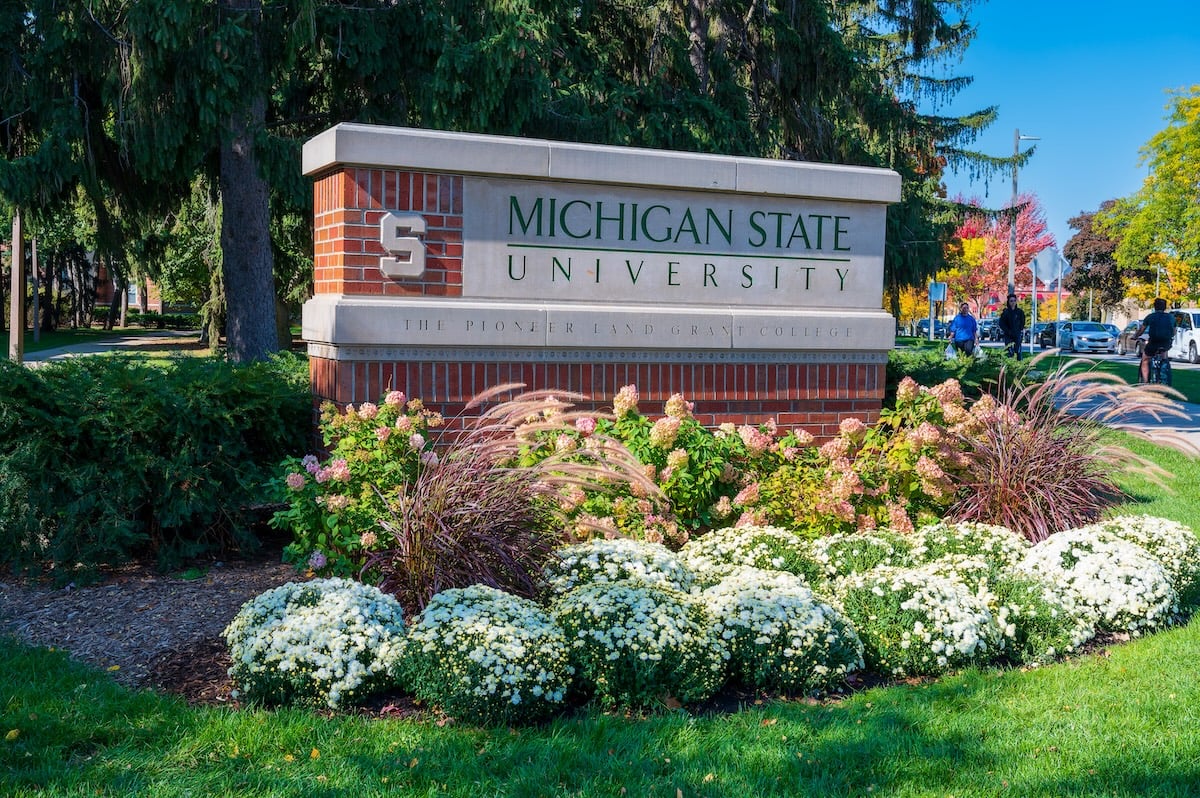
Michigan State University shows how the net price formula can backfire. Michigan State did not raise tuition to land on the net price list. The federal net price formula subtracts the average grant among students who receive aid, so the size of the typical award matters as much as the price.
Starting in fall 2021, Michigan State gave a small scholarship, often just $500, to almost every in-state freshman. Those small awards pulled the average grant down and pushed the reported net price up, even though students got more aid than before. Michigan State’s fix was to end the award, not to cut tuition.
That makes the reported net price look better while students lose $500 each. A school’s average can hide what your own family would pay, so run your own financial aid calculator estimate.
“MSU eliminated the MSU Resident Scholarship in 2024. Effective fall 2024, no new incoming students are receiving this award at MSU.”
Michigan State University
Are Students Paying More For Less Time On Campus?
At many schools on this list, yes, students are paying more for less time on campus. Prices at these schools rose faster than almost anywhere else, and over the same years more of their classes moved online. Federal enrollment data shows the share of students taking at least one online class at these schools rose from 33% in fall 2019 to 53% in fall 2024. A higher price for less in-person teaching changes the value of the degree a family is buying.
| School Or Group | Fall 2019 | Fall 2024 |
|---|---|---|
| All Schools On The Price-Hike List* | 33% | 53% |
| All U.S. Colleges* | 36% | 53% |
| Paul Quinn College | 21% | 85% |
| Clark Atlanta University | 1% | 72% |
| University Of Maryland, Baltimore County | 12% | 62% |
| Hilbert College | 0% | 60% |
| Michigan State University | 26% | 53% |
| Rowan University | 34% | 53% |
| Temple University | 21% | 51% |
| Williams, Princeton, Kenyon, Whitman | 0% | 0% |
UMBC said it “falsely appears” its cost rose because it cut undergraduate fees to $716 in 2020-21, when most students were off campus. Fees reached $3,714 in 2022-23, above the pre-pandemic $3,324. Mandatory college fees like these can catch families off guard, especially when classes move online. Meanwhile, our analysis of IPEDS enrollment data shows UMBC students taking an online class rose from 12% to 62% between fall 2019 and fall 2024, a figure you can check with college comparison tools like College Navigator.
Hilbert College in New York went from no online enrollment to 60% and told the department it does “not anticipate the cost of delivering high quality online instruction to decrease.” Online classes do not always save students money. A 2021 Tennessee Comptroller review found students taking only online courses at the state’s public colleges usually paid more than students on campus, which adds to what families pay out of pocket.
The shift is national, since the share across all colleges rose from 36% to 53%. It also skips the most selective schools on the list. Williams, Princeton, Kenyon and Whitman reported no online enrollment in either year, so their price increases still buy a fully in-person experience, along with the room and board costs that come with it.
Which Colleges Say They Are Cutting Costs?
About two in five schools described real steps to lower costs. Waiting too long can be worse, since some schools end up closing.
- Catawba Valley Community College in North Carolina “discontinued select athletic programs that were high cost” and cut staff.
- Riverside College of Health Careers in Virginia lowered LPN tuition from $17,500 in 2022 to $14,625 in 2023.
- North American University in Texas launched free tuition for first-time students from families earning under $65,000.
Which Schools Face New Federal Earnings Rules?
Colleges that have been raising prices without delivering financial outcomes for students may face challenges in the coming years. Barber and cosmetology schools are the most exposed to the new federal earnings test, and they make up about 97 of the 446 schools on this list. Under the One Big Beautiful Bill Act, programs whose graduates earn less than high school graduates can lose access to federal loans.
The Education Department’s final rule (PDF File) compares graduates’ median earnings four years out with workers ages 25 to 34 who have only a high school diploma, a test aimed at programs with poor return on investment. Programs that fail two of three years lose Direct Loan eligibility, starting as soon as the 2028-29 award year. Cosmetology and barbering programs get at least a one-year delay so 2026 tip income can show up in the data.
When the rule was proposed, department projections showed more than 92% of cosmetology and barber programs would fail, CBS News reported. The schools that said federal aid let them raise prices are the same kind of schools this rule targets. New Parent PLUS borrowing limits also took effect July 1, 2026, after the years this report covers, so future reports will show whether tighter loan limits slow price increases.
Search What Every College Told The Education Department
Search all 446 schools by name, state or any word in their answers, shown as submitted. Pair a school’s answer with its net price calculator before you commit.
| School | Type | Price List | Plan To Lower Costs | Reasons Cited |
|---|
How Families Can Protect Themselves From Price Hikes
Families need to price the full cost of attendance for every year of school, not one year at a time. We recommend assuming a college will raise prices 5% to 8% per year, and not just on tuition. Room and board, fees and other costs rise too, so build the increase into every line of a college’s cost of attendance.
That planning assumption runs higher than the national average, and it should. Average published tuition rose 2.9% at public four-year schools and 4.0% at private nonprofits for 2025-26, according to the College Board. The schools in this report show a single college can raise prices far faster than average. Families using free college comparison tools should also check whether a school appears on this list.
Add up four years, or five if a student may need extra time, and focus on that total. A $30,000 first-year cost becomes $129,304 over four years at 5% annual increases and $135,183 at 8%. Stretch it to five years and the total reaches $165,769 to $175,998, which is the number to compare with your savings, aid and federal student loan limits.
| Year | No Increase | 5% Per Year | 8% Per Year |
|---|---|---|---|
| Year 1 | $30,000 | $30,000 | $30,000 |
| Year 2 | $30,000 | $31,500 | $32,400 |
| Year 3 | $30,000 | $33,075 | $34,992 |
| Year 4 | $30,000 | $34,729 | $37,791 |
| Four-Year Total | $120,000 | $129,304 | $135,183 |
| Year 5 | $30,000 | $36,465 | $40,815 |
| Five-Year Total | $150,000 | $165,769 | $175,998 |
The question is whether that total is something your family is willing and able to pay. If the answer is no, find out before enrollment. Running out of money in year three can mean leaving school with debt and no degree. These steps help families test the number:
- Run each school’s net price calculator, then apply a 5% to 8% annual increase to the result.
- Ask whether the school offers a tuition guarantee, like the one Ohio requires at its public universities.
- Find out what share of classes in your program are online, and whether online courses carry extra fees.
- Check whether merit aid is renewable and whether it rises with tuition, since a flat scholarship covers less each year.
- Compare the full four- or five-year cost with expected earnings using a college ROI calculator.
Frequently Asked Questions
Why Do Colleges Have To Explain Price Increases?
Section 132 of the Higher Education Act requires schools in the top 5% of their sector for three-year increases in tuition or net price to explain why. The 2025 report, released in October 2026, is the first to publish those answers in a downloadable file.
What Is The Difference Between Tuition And Net Price?
Tuition and fees are the published charges. Net price is the full cost of attendance, including estimated room and board, minus the average grant aid first-time, full-time students receive. A school’s net price can rise even when tuition stays flat.
How Many Schools On The List Plan To Lower Costs?
Of the 446 schools, 180 (40%) said they have a plan to reduce costs, and 266 (60%) said they do not. For-profit 2-year schools were the most likely to have one, at 58%. Families can check any school’s real cost with its net price calculator.
Editor: Colin Graves

Robert Farrington is the founder of The College Investor and is widely recognized as one of the nation’s leading voices on student loan debt and saving for college. He holds an MBA from UC San Diego Rady School of Management and has spent over 15 years researching, writing, and advising on student loans, 529 plans, financial aid programs, and saving and investing for young professionals.
Robert has been featured in the The New York Times, The Wall Street Journal, The Washington Post, NBC News, and Forbes, where he has been a regular personal finance contributor for over a decade. His work combines both professional expertise and personal experience – he successfully navigated his own student loan repayment journey and has helped thousands of readers do the same.
He is committed to making the intersection of personal finance and education transparent and accessible. You can learn more about Robert on the About Page or on his personal site RobertFarrington.com.