Key Points
- Treasury is creating a new system called Treasury .033 to hold Education Department records on federal student loan borrowers, grant recipients, parents and spouses.
- Treasury wants records that include Social Security numbers, income and student loan forgiveness history, and it lists research and forecasting among its uses.
- Student Defense and EPIC filed comments on November 6 asking Treasury to narrow the system and publish the documents behind it.
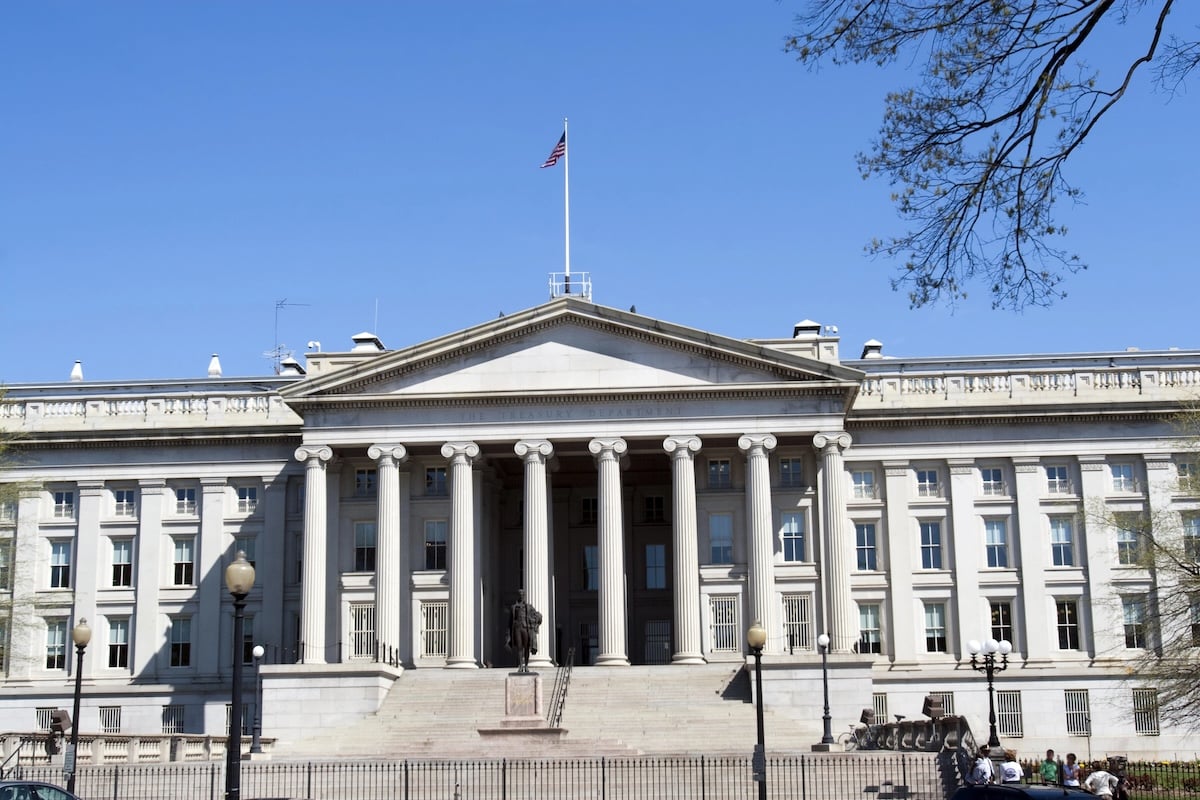
The Treasury Department is building a new data system to hold federal student loan and financial aid records on tens of millions of Americans. The system isn’t limited to the defaulted student loans Treasury agreed to collect in March, and it covers people who never missed a payment.
Treasury is creating a new system called Treasury .033 to hold federal student aid records from the Education Department. It published notice of the system in the Federal Register back in October, as the Privacy Act requires for any new system of records.
The Education Department will feed it personal data on federal grant recipients and federal student loan borrowers, under the agreement that made Treasury the new collector for defaulted student loans. The data comes from three Education Department databases, including the National Student Loan Data System.
The system took effect the day the notice was published. Its routine uses control who Treasury can share the records with. Those uses were set to take effect November 6, unless Treasury changed the notice after public comments.
That same day, Student Defense and EPIC filed a 15-page comment (PDF File) asking Treasury to narrow the scope of the system. The comment is the latest pushback on the Education Department’s use of interagency agreements to shift its programs.
Would you like to save this?
Why It Matters
The Department of Treasury is set to take over collections as phase one of a three-phase project to eventually (and potentially) take over the entire student loan servicing portfolio.
Treasury’s collection job covers about 7.8 million borrowers in default, who owed $179 billion as of December 31, 2025. Treasury .033 reaches much farther. It also covers borrowers in good standing and Pell Grant recipients who never borrowed. Parents and spouses listed on a FAFSA are included too.
The records also go to a different part of Treasury than the one that collects debts. The Bureau of the Fiscal Service runs the Treasury Offset Program that seizes tax refunds for defaulted student loans.
Treasury .033 belongs to the Office of the Fiscal Assistant Secretary and the Office of Economic Policy instead.
What Data Does Treasury Want, And Why Does It Matter?
Treasury wants nearly everything the Education Department knows about a borrower, from the first FAFSA to the final payment. The notice lists 24 categories of records, drawn partly from the database behind your federal student loan history.
The table below highlights most of them.
| Data Type | What’s Included | Whose Records |
|---|---|---|
| Identity And Contact | Social Security number, date of birth, driver’s license number, addresses, phone and email | Applicants, borrowers, endorsers and co-signers |
| Family Finances | Social Security numbers, marital status, income and asset information | Parents and spouses listed on a FAFSA |
| FAFSA And Eligibility | Student Aid Index, dependency status, household data, citizenship and veteran status | FAFSA filers |
| Student Loan History | Balances, payments, deferments, forbearances, delinquency and default, from origination to final payment | Federal student loan borrowers |
| Repayment And Forgiveness | Income-driven repayment, PSLF, disability discharge and SCRA records, plus employer names and dates | Borrowers who used those programs |
| Collections | Offsets, refunds, debt certification and Treasury Offset Program records | Borrowers in default |
| Customer Service | Complaints, call summaries and recordings, chat transcripts and emails | Borrowers who called, chatted or filed a complaint |
| School And Program | School and program codes, enrollment and completion dates, median debt and earnings data | Students who received federal financial aid |
Treasury says it wants the records for oversight and management of the federal student aid portfolio. Its stated uses also include research, modeling, forecasting and policy development, along with the transfer and ownership of the portfolio. None of those uses is limited to collecting defaulted student loans.
The scope matters because records with names and Social Security numbers do the most damage if they’re ever exposed in a data breach. The Education Department’s own analytics platform hides that personal information from its users and shares only deidentified results with other agencies, according to the Student Defense and EPIC comment (PDF File). Treasury’s notice doesn’t commit to doing the same.
The notice also lists complaint records, call summaries, chat transcripts and email communications. Records tied to Public Service Loan Forgiveness and other forgiveness programs are included, along with employer names and dates of employment. Borrowers shared those details with the Education Department and its contractors, not with Treasury.
The notice doesn’t say whether IRS data comes along. Every FAFSA contributor must consent to share federal tax information to qualify for federal financial aid, and the Education Department uses tax data to set payments on income-driven repayment plans like RAP.
Treasury .033 lists income, family size and Student Aid Index values but never says where those figures come from. Federal tax law limits how that data can be reused, so Student Defense and EPIC asked Treasury to say whether any of it enters the system.
Which Borrowers Are Covered?
Anyone with federal student loans or federal grants on record falls within the notice, along with the parents and spouses on their FAFSA. That includes borrowers on every federal student loan repayment plan, not only those in default.
| Group | Data Treasury Wants | What To Watch |
|---|---|---|
| Borrowers In Good Standing | Full student loan history, repayment plan, income and family size | Treasury use of the data before it formally takes over servicing |
| Borrowers In Default | Collection, offset and debt certification records | Which agency certifies the debt and hears disputes |
| Pell Grant Recipients With No Student Loans | FAFSA, grant and enrollment records | Advocates say grant-only records go beyond “student loan data” |
| Parents And Spouses On A FAFSA | Social Security numbers, marital status, income and assets | Whether IRS tax data or figures built from it are included |
| Borrowers With Forgiveness Or Discharge Records | PSLF, income-driven repayment, disability discharge and SCRA records | How Treasury uses employment and disability records |
Borrowers in good standing are the biggest change. The March 2026 agreement (PDF File) moves their servicing to Treasury only in a second phase, “to the extent practicable,” after Treasury reviews the portfolio.
Student Defense and EPIC say they found no published update to the agreement that starts that phase. House Republicans have filed bills that would move federal student loans, Pell Grants and the FAFSA to Treasury permanently.
How Does The Data Notice Compare To The Treasury Agreement?
The data notice goes well past what the published agreement (PDF File) covers. The agreement limits data sharing to student loan data needed to assess the portfolio and collect defaulted student loan debts.
The notice adds research and policy uses, and it lists ownership of the portfolio as a purpose.
| Issue | March 2026 Agreement | October 2026 Data Notice |
|---|---|---|
| Whose Data | Student loan data needed to assess the portfolio and collect defaulted debts | Grant recipients, all federal student loan borrowers, parents and spouses |
| Treasury Office | Bureau of the Fiscal Service | Office of the Fiscal Assistant Secretary and Office of Economic Policy |
| Main Purpose | Collect defaulted student loans through cross-servicing | Oversight, research, modeling, forecasting and policy work |
| Ownership | Referrals “do not transfer ownership” of the debt | Lists “transfer, ownership” of the portfolio as a purpose |
| Data-Sharing Terms | Left to an attachment missing from the copy the Education Department posted | Relies on that same unpublished arrangement |
The ownership language matters because the agreement says referrals don’t move a debt off the Education Department’s books. The agreement also relies on the Economy Act, a law that lets one agency “buy” services from another.
Student Defense and EPIC argue (PDF File) that law can’t be used to hand an agency’s core functions to Treasury. That argument echoes the case against breaking up the Education Department through side agreements.
What Did Student Defense And EPIC Ask Treasury To Do?
The two groups asked Treasury to justify each data transfer and publish the documents behind the system before it shares any federal student loan records. Their comment lists seven requests:
- Identify the Education Department rule that allows each data transfer, and say when Treasury first received the records.
- Remove the “ownership” and “transfer” purposes, or name the agreement that supports them.
- Leave out people with no student loan debt, and use deidentified data for research.
- State whether federal tax information, or figures built from it, will enter the system.
- Publish the data-sharing arrangement and any privacy impact assessment, then add 30 days to the comment period.
- Explain who will certify debts and handle notices, disputes and hearings for borrowers in default.
- Respond to the comments in writing before any part of the notice takes effect.
What Does This Mean For Borrowers In Default?
For borrowers in default, the open question is who decides whether a debt is valid. Federal law gives borrowers at least 60 days to show a debt isn’t past due or legally enforceable before a tax refund offset. The notice doesn’t say whether Treasury staff will use these records to certify debts or hear disputes once Treasury runs the Education Department’s Default Resolution Group. The comment says borrowers need to know “which agency’s employees will hear their disputes.”
That question gets more urgent as the government prepares to restart involuntary collections. The Education Department and Treasury plan to resume wage garnishment on defaulted student loans, and garnishment costs more than the lowest-payment repayment plan for nearly every borrower.
Borrowers in default can still get out of default through rehabilitation or consolidation before garnishment starts.
What Can Borrowers Do Now?
Borrowers can’t opt out of Treasury .033. The Privacy Act lets agencies share records without consent when a published routine use covers the disclosure. Borrowers can still protect their personal information and keep track of what the government holds. Treasury’s notice says people can request their records through its Privacy Act procedures.
- Log in to StudentAid.gov and confirm your servicer, student loan status and contact information are current.
- Watch for letters from Treasury and its contractors if your student loans are in default, and check any new phone number through StudentAid.gov before you pay.
- Never share your FSA ID, since student loan scams are surging in 2026.
- Request your records from Treasury under 31 CFR 1.26 if you want to see what it holds about you.
How This Connects
Treasury .033 already covers the borrowers and grant recipients that later phases of the Treasury takeover of federal student loans would reach. Phase Two would move servicing for borrowers in good standing, and phase three calls for a Treasury review of FAFSA and eligibility rules, according to the Congressional Research Service.
The data notice came out before either phase appears in a published update to the agreement.
What’s Next
Treasury now has to weigh the public comments and decide whether the notice needs changes. Any changes would show up in a revised Federal Register notice. Borrowers in default should also watch for new contact from Treasury as the Default Resolution Group moves under Treasury oversight.
Editor: Colin Graves

Robert Farrington is the founder of The College Investor and is widely recognized as one of the nation’s leading voices on student loan debt and saving for college. He holds an MBA from UC San Diego Rady School of Management and has spent over 15 years researching, writing, and advising on student loans, 529 plans, financial aid programs, and saving and investing for young professionals.
Robert has been featured in the The New York Times, The Wall Street Journal, The Washington Post, NBC News, and Forbes, where he has been a regular personal finance contributor for over a decade. His work combines both professional expertise and personal experience – he successfully navigated his own student loan repayment journey and has helped thousands of readers do the same.
He is committed to making the intersection of personal finance and education transparent and accessible. You can learn more about Robert on the About Page or on his personal site RobertFarrington.com.