Key Points
- Nevada’s five Democratic members of Congress asked Treasury and the IRS on October 28, 2026 to explain why routine filing season data is still unpublished.
- The IRS tables, first due in July, would show who claimed the new tip and overtime deductions by income level.
- The Education Department’s delay on earnings-test penalties for cosmetology programs rests on the same untested question about tip income.
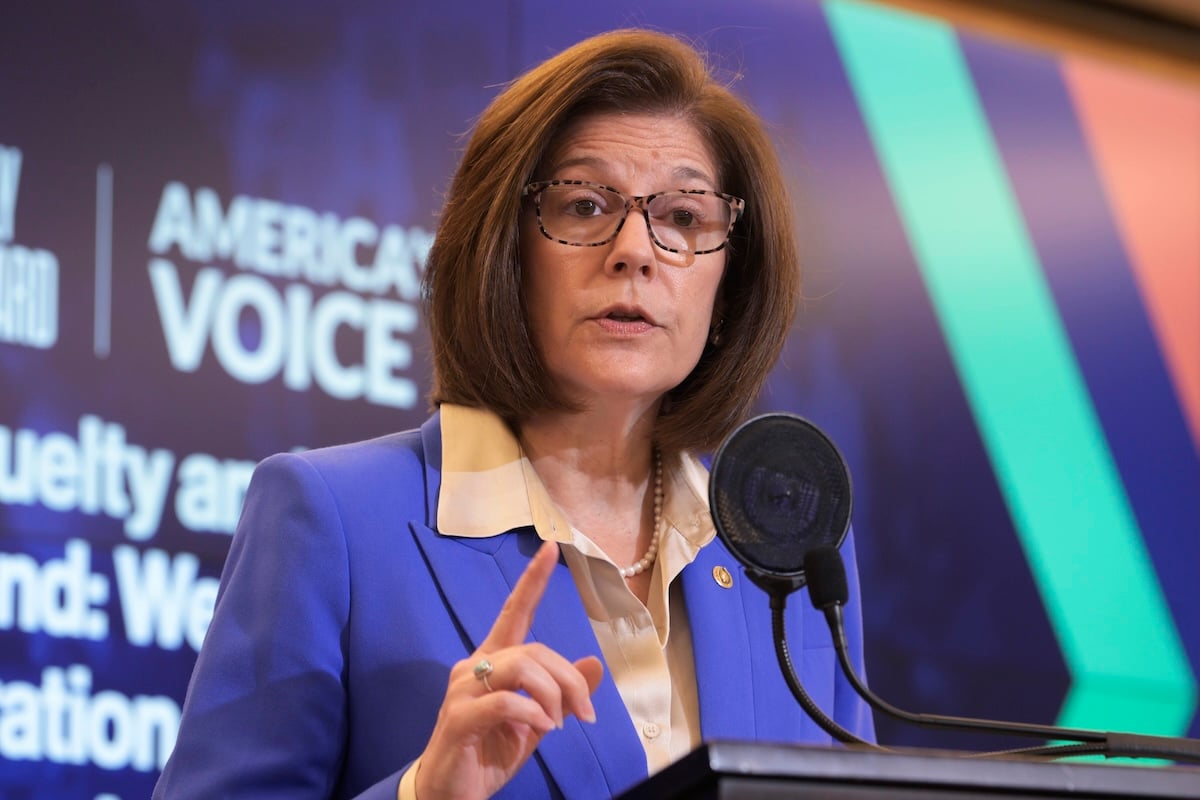
Nevada’s congressional delegation wants to know why the IRS still hasn’t published detailed data on the 2025 tax law. In an October 28, 2026 letter (PDF File), Sen. Catherine Cortez Masto led Sen. Jacky Rosen and Reps. Dina Titus, Susie Lee and Steven Horsford in pressing Treasury Secretary Scott Bessent and IRS CEO Frank Bisignano for answers.
Their main concern is the no tax on tips deduction that covers 68 tipped occupations.
The figures come from the IRS Statistics of Income division, which normally publishes them after each filing season. A first release covering returns through May was due in July, with an update set for September 17. Neither has happened, and the IRS told Politico it is waiting on Treasury approval.
The tables would be the first detailed look past the weekly refund numbers the IRS posted during tax season.
Would you like to save this?
Why It Matters
The delegation calls Nevada the country’s most hospitality and service-industry-dependent economy, and tip relief has drawn support from both parties. A standalone No Tax on Tips bill cleared the Senate with zero opposition before the provision became part of the One Big Beautiful Bill Act.
The letter argues that “neither Congress nor the public can fully assess whether this deduction for tips is delivering the relief it was designed to provide” without the IRS statistics.
Treasury has released its own top-line counts. As of April 14, Treasury said more than 6 million filers claimed the tip deduction, with an average deduction above $7,100. Those totals don’t show who got real savings, and income matters a lot for who benefits from the tip deduction. A single filer whose total income was below the 2025 standard deduction of $15,750 already owed no federal income tax, so the deduction saved them nothing.
The delayed tables break out claims by income group, which is the only public way to measure that.
Why The Data Might Be Held Back
An administration official told Politico that its priority is releasing accurate data after major tax code changes, but gave no release date.
Former IRS officials warned the figures could show the tax burden shifting between income groups or a suspicious number of people claiming specific breaks. That has happened before. For example, the first data after the 2017 tax law changes showed fewer people deducting charitable gifts.
The administration has pointed to larger average refunds as proof the law works.
The IRS has also held back its annual estimate of unpaid taxes, the Boston Globe reported, and the last one came out in October 2024. Most filers only see the IRS through its refund schedule, but these statistics are what Congress uses to judge whether a tax law worked.
Why Cosmetology Schools Are Watching
The same tip question is holding up accountability in higher education. The law’s Do No Harm earnings test cuts federal student loans for programs whose graduates fail to out-earn typical high school graduates in two of three years. The Education Department’s final rule delays penalties for programs tied to about 20 tipped occupations, mainly cosmetology, barbering and massage therapy.
For every other program, the earliest a failing program could lose federal student loans is the 2028–29 award year.
The department’s logic is that No Tax on Tips will pull unreported tips onto tax returns, so it will wait for 2026 tax year earnings data. That pushes consequences for those programs to 2029 at the earliest. The carve-out was added after the proposed rule drew public comments, and the department estimated it would cost about $10 billion in added Pell Grant spending, according to TICAS.
The evidence for large hidden tip income is thin. American University’s PEER Center found tips make up about 8% of earnings in personal services fields, and the department itself said underreporting is likely much smaller than commenters claimed.
The delayed IRS tables would give the first national look at reported tip income after the deduction took effect. A big jump would support the industry’s case, while little change would weaken the reason for the cosmetology delay in the final rule.
| Item | Timing | Status |
|---|---|---|
| IRS Filing Season Data (Returns Through May) | Due July 2026 | Pending |
| IRS Update (Returns Through July) | Due Sept. 17, 2026 | Pending |
| First Do No Harm Earnings Test Results | Early 2027 | Scheduled |
| Earliest Student Loan Cutoff For Most Programs | 2028–29 award year | Scheduled |
| Earliest Penalties For Cosmetology And Other Tipped Fields | 2029 at the earliest | Delayed |
How This Connects
Without having the data, it’s hard to assess the impact of major tax reform legislation. This is the first time any type of reform has really targeted tipped workers, and so I know many groups and organizations, including lawmakers, are eager to see the numbers.
Families weighing cosmetology school shouldn’t treat the delay as a sign the programs pay off. About 93% of cosmetology certificate programs were projected to fail the earnings test, and the department will still publish their earnings data during the delay. Check a program’s graduate earnings before borrowing any student loans for it.
What’s Next
Watch the release date. It’s currently unknown when that will happen.
House Ways and Means Democrats sent their own October 15 letter (PDF File) asking Treasury to answer by October 28. The first earnings test results for higher education arrive in 2027.
Editor: Colin Graves

Robert Farrington is the founder of The College Investor and is widely recognized as one of the nation’s leading voices on student loan debt and saving for college. He holds an MBA from UC San Diego Rady School of Management and has spent over 15 years researching, writing, and advising on student loans, 529 plans, financial aid programs, and saving and investing for young professionals.
Robert has been featured in the The New York Times, The Wall Street Journal, The Washington Post, NBC News, and Forbes, where he has been a regular personal finance contributor for over a decade. His work combines both professional expertise and personal experience – he successfully navigated his own student loan repayment journey and has helped thousands of readers do the same.
He is committed to making the intersection of personal finance and education transparent and accessible. You can learn more about Robert on the About Page or on his personal site RobertFarrington.com.