
Key Points
- The Senate unanimously passed the “No Tax on Tips Act,” allowing workers to deduct up to $25,000 in reported cash tips starting in 2025.
- The bill applies to individuals earning $160,000 or less and includes a defined list of tip-eligible occupations.
- The House must still pass the bill and it must be signed by President Trump before it can become law.
The Senate passed a new tax bill that would allow tipped workers to deduct up to $25,000 in cash tips from their taxable income. Known as the “No Tax on Tips Act,” the bill (PDF File) passed without opposition and now moves to the House of Representatives for consideration.
The bill was introduced by Sen. Ted Cruz (R-Texas) and gained bipartisan support. The proposal is seen as a key piece of former President Trump’s economic platform and comes as part of broader GOP-led efforts to reshape tax policy in ways that support for working class Americans.
While the bill still needs to be reconciled with House proposals, it represents one of the few recent federal tax efforts to pass the Senate without partisan resistance. If adopted by the House and signed into law, it would apply to taxable years beginning after December 31, 2024 (so this year and beyond).
Would you like to save this?
What The Bill Covers (And What It Doesn't)
Under the bill, tipped workers could claim a tax deduction for qualified cash tips, up to $25,000 per year. The benefit would only apply to individuals who earn $160,000 or less annually (based on adjusted gross income), and both thresholds would be tied to inflation.
The tax break would apply only to cash tips reported to an employer, the kind that already show up on pay stubs and are subject to payroll tax withholding. Electronic tips passed through credit card systems or apps may be included, provided they are properly reported.
Importantly, the bill requires that the tip income come from jobs in occupations that “traditionally and customarily received tips” before the end of 2023. The Treasury Secretary will publish a list of these qualifying occupations within 90 days of the bill’s enactment. This likely will include restaurant servers, bartenders, hair stylists, and others in service industries.
Those who earned more than $160,000 in the prior year from the same employer are excluded from claiming the deduction.
Employers and business owners will still be responsible for reporting and withholding taxes, and employees would claim this deduction when they file their tax return. Of course, they can adjust their W4 withholding to lower the amount of taxes withheld from their paychecks during the year.
Employer Tip Credit
The bill also expands the employer-side tax credit for Social Security taxes paid on tip income. Historically, this credit applied to restaurants. Under the new bill, it would extend to beauty service businesses as well, including barbers, nail technicians, estheticians, and spa workers, as long as tipping is customary in the setting.
This change is designed to help smaller service-sector businesses offset payroll tax costs and could lead to more consistent tip reporting in the industry.
Other Common Questions
The above can be confusing, so here's some common questions we're seeing:
How does "No Tax On Tips" work?
While the bill is called "No Tax On Tips", a more precise name would be: workers earning less than $160,000 per year can deduct up to $25,000 per year in cash tips reported to an employer from their taxes.
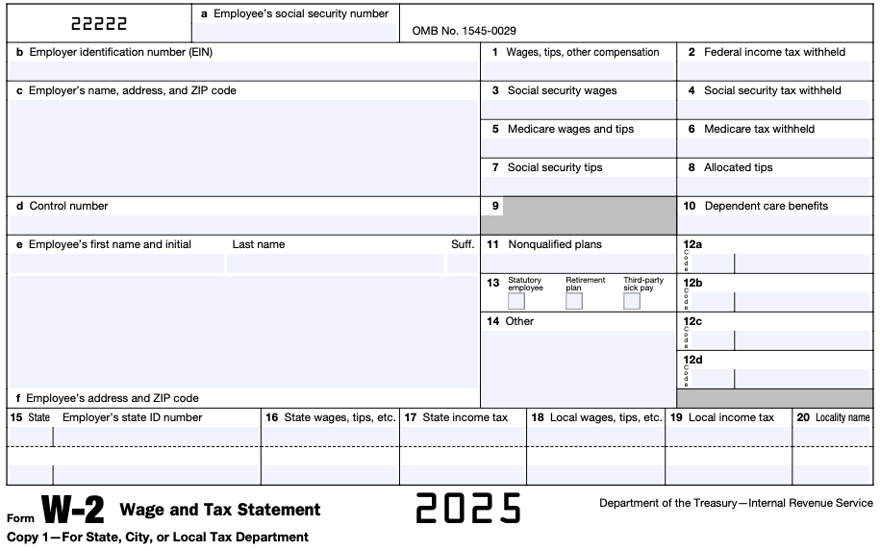
Tax deductions work by lowering your income by the amount of the deduction. In simple terms, if you earn $100,000, but $10,000 of that was reported as cash tips on your W2, you would deduct that $10,000. So, now you'd only owe taxes on the remaining $90,000. That's a simple explanation but highlights how this bill helps.
How much income or tips will be tax free?
Employees can deduct up to $25,000 per year in cash tips reported to an employer, as long as their income is under $160,000. Both numbers will be tied to inflation and could rise over time.
Will it impact my payroll tax?
No, this has no change to payroll taxes. However, it does extend the tax credit on tip income taxes paid to employers to new qualifying employers, such as barbers and estheticians.
Do I need to do something specific as a business owner if No Tax on Tips passes?
Business owners should have already been reporting tips on Box 8 of the W2 as part of annual employee tax filing. This bill should encourage more accurate reporting.
When Could This Become Law?
The bill still requires passage in the House, where lawmakers are working on broader tax and budget legislation. That package, dubbed the “One Big Beautiful Bill Act”, also includes a proposal to remove taxes on overtime pay.
If the House passes its own version of the “No Tax on Tips” language, it may either send the Senate bill directly to the president or combine it with the larger budget legislation. If passed as part of the full budget, the change would likely apply to paychecks from 2026 through 2034. If the Senate bill is adopted as-is, the change could take effect for 2025 taxes.
With a looming June 30 deadline for House budget bills and the fiscal year starting October 1, the window for action is narrowing. But bipartisan Senate support increases the likelihood that this piece of the legislation survives negotiations.
Don't Miss These Other Stories:

Robert Farrington is the founder of The College Investor and is widely recognized as one of the nation’s leading voices on student loan debt and saving for college. He holds an MBA from UC San Diego Rady School of Management and has spent over 15 years researching, writing, and advising on student loans, 529 plans, financial aid programs, and saving and investing for young professionals.
Robert has been featured in the The New York Times, The Wall Street Journal, The Washington Post, NBC News, and Forbes, where he has been a regular personal finance contributor for over a decade. His work combines both professional expertise and personal experience – he successfully navigated his own student loan repayment journey and has helped thousands of readers do the same.
He is committed to making the intersection of personal finance and education transparent and accessible. You can learn more about Robert on the About Page or on his personal site RobertFarrington.com.