Key Points
- The One Big Beautiful Bill Act set aside $1 billion for the Education Department to cover “administrative costs” of the federal student loan program, with no reporting requirement attached.
- ED’s own FY2027 budget request shows it had spent roughly $216 million of that money by the start of the year and expects more than $450 million to still be unspent when FY2027 begins, without saying where any of it went.
- Senators want an itemized accounting and a commitment to monthly public reporting by September 16, arguing the money should go toward the nine million borrowers now in default.
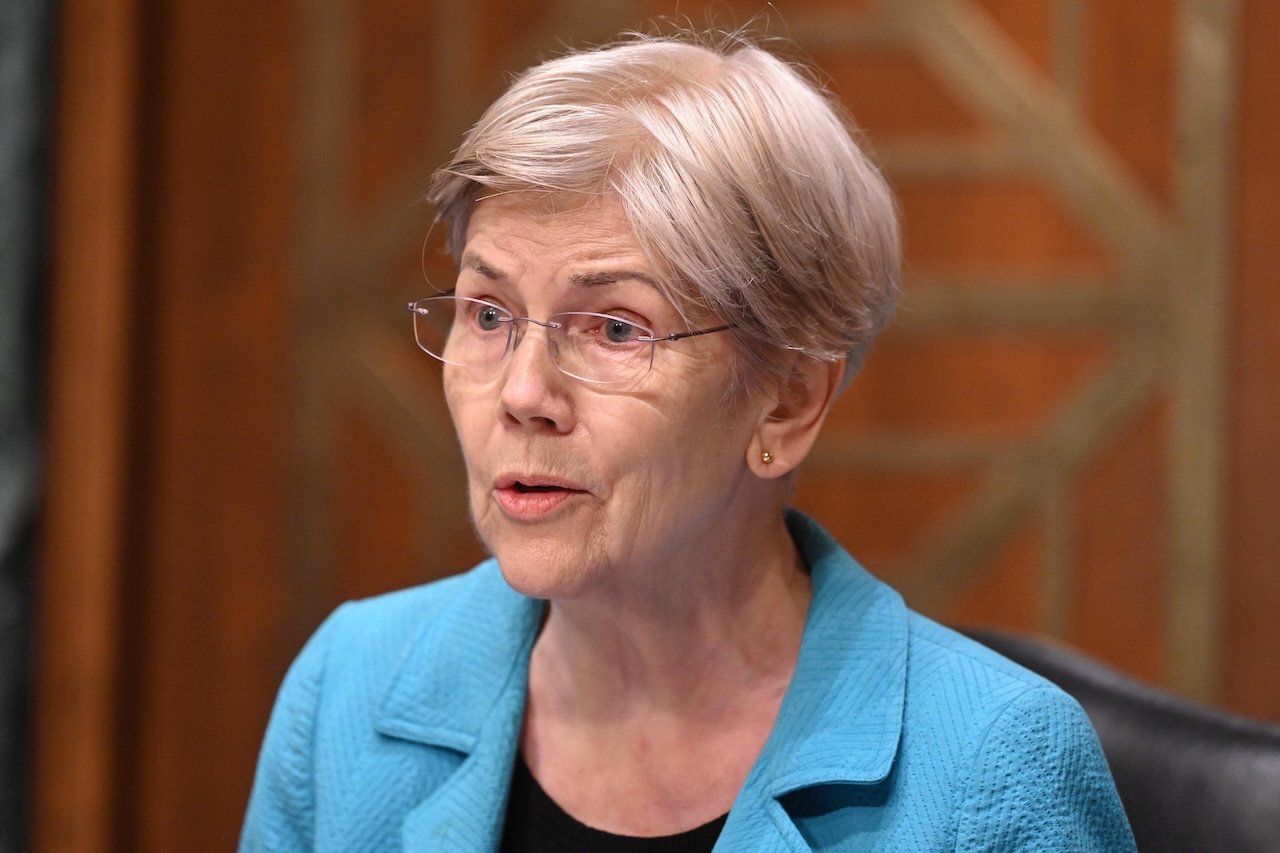
Four Senate Democrats want the Department of Education to provide answers on how it spent a $1 billion student loan administration fund created by last year’s One Big Beautiful Bill Act. In a September 2 letter to Education Secretary Linda McMahon (PDF File), Senators Elizabeth Warren (D-Mass.), Jeff Merkley (D-Ore.), Cory Booker (D-N.J.), and Chris Van Hollen (D-Md.) say the agency has already spent roughly $216 million from the fund without explaining what it spent them money on. Meanwhile, the number of borrowers in default has climbed to a record high.
The $216 million figure comes from the Department of Education’s own Fiscal Year 2027 budget request, which reports that amount obligated as of the start of FY2026 and projects that more than $450 million will still be unspent when FY2027 begins. The senators note that Section 82005 of the OBBBA requires the money to go toward “administrative costs” of the federal student loan program, including servicing, but built in no reporting or oversight requirement.
The Senators want answers by September 16, 2026.
Would you like to save this?
Why It Matters
When the OBBBA was in discussion, this $1 billion fund was designed to help the Department of Education pay for the massive amount of changes required as part of the bill. However, the current request from Senators is two-fold: show us where you’re spending the money, and if you don’t have a good use for it, use it to help borrowers in default.
The senators point to Federal Student Aid portfolio data showing that the number of borrowers in default has nearly doubled to nine million since January 2025. Our own tracking of Education Secretary McMahon’s testimony found roughly one in four borrowers is now delinquent or in default, and New York Fed data showed 3.6 million borrowers defaulted in a single quarter after collections resumed.
This oversight comes at a critical junction for many borrowers. Roughly seven million SAVE plan borrowers are being pushed off the plan, and the senators cite a National Consumer Law Center analysis warning that borrowers who don’t pick a new plan will be auto-enrolled in Standard repayment – which could be the most expensive option.
The senators argue that combination puts millions more at elevated risk of default just as ED sits on hundreds of millions in unspent administrative dollars.
What The Senators Are Asking
The letter poses three sets of questions:
- An itemized accounting of the first $216 million. Specifically, how much went to student loan servicers (and for what work), how much supported the ED-Treasury interagency agreement moving loan administration out of ED, how much hired new FSA staff, how much went to FSA’s website, and how much funded outreach to borrowers already in default or at risk of it. They also want the criteria ED used to decide.
- The same breakdown for everything spent since FY2026 began, plus whether ED still expects more than $450 million to be left at the start of FY2027, and itemized spending plans for the rest of the money both before and after that date.
- A commitment to monthly public reporting on how the fund is used going forward.
The letter notes that ED’s only public statement on the fund so far is a court declaration in the Sweet v. McMahon borrower defense case, which said an unspecified amount would pay for attorneys to adjudicate those claims.
Where The Senators Want The Money To Go
Beyond transparency, the letter tells Education Secretary McMahon what the Senators believe the fund should be spent: on “whatever measures are necessary” to pull borrowers out of default and keep others from entering it.
The senators offer three examples. First, expanded outreach to borrowers who are behind or already defaulted, a group that is now dealing with Treasury as its collector.
Second, better FSA customer service so struggling borrowers can actually get into affordable plans — a sore point since layoffs left dozens of FSA offices with no staff.
Third, rehiring the servicer oversight team the administration cut in early 2025, which a March GAO report tied to gaps in servicer accountability.
It’s important to note that the Senators are not asking for any of the funds to be used to pay off or relieve borrowers of their debts.
How This Connects
This is the latest in a string of oversight demands from the same group of Senators. In June, Warren and Merkley led 62 lawmakers pressing ED to act on what they called the largest default crisis on record.
Last week, they opened an investigation into MOHELA over false delinquency notices sent to borrowers, the kind of servicer error the letter says a restored oversight team would catch. And the GAO finding that FSA halted routine servicer reviews gives the servicer oversight ask a documented basis rather than a political one.
The student loan fund is one of the few places where the July 1, 2026 OBBBA added money instead of removing options. The law eliminated Grad PLUS, capped parent borrowing, collapsed repayment plans into two choices, and ended SAVE. These changes make loan servicing more complicated in the near term and gave ED a plausible reason to spend money on implementation.
What the senators are contesting is whether implementation, the Treasury transfer, or litigation is absorbing dollars that could have gone to borrower outreach.
What’s Next
The Department of Education’s response is due September 16. Watch for whether the department releases any itemized breakdown or simply cites the budget justification again.
A commitment to monthly reporting seems unlikely without a statutory requirement, but the FY2027 appropriations process gives Democrats a chance to attach one.
For borrowers, the more immediate signal is how FSA handles the first wave of SAVE borrowers hitting their 90-day deadlines this month. That’s where any customer service spending from the fund would show up first.
Editor: Colin Graves

Robert Farrington is the founder of The College Investor and is widely recognized as one of the nation’s leading voices on student loan debt and saving for college. He holds an MBA from UC San Diego Rady School of Management and has spent over 15 years researching, writing, and advising on student loans, 529 plans, financial aid programs, and saving and investing for young professionals.
Robert has been featured in the The New York Times, The Wall Street Journal, The Washington Post, NBC News, and Forbes, where he has been a regular personal finance contributor for over a decade. His work combines both professional expertise and personal experience – he successfully navigated his own student loan repayment journey and has helped thousands of readers do the same.
He is committed to making the intersection of personal finance and education transparent and accessible. You can learn more about Robert on the About Page or on his personal site RobertFarrington.com.