Key Points
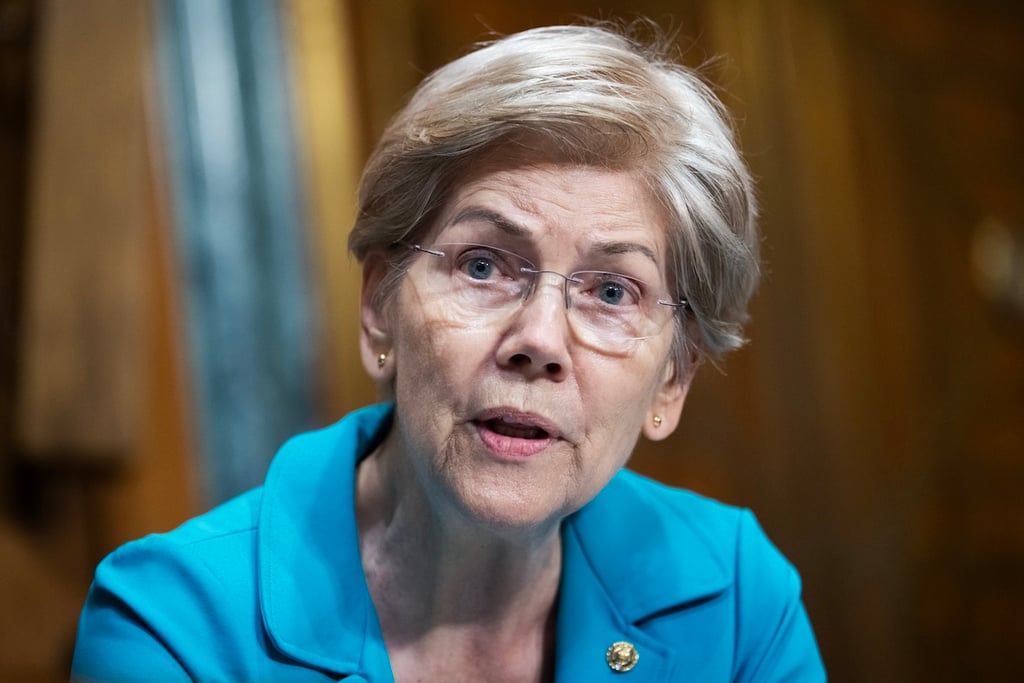
- Nine Senate Democrats, led by Elizabeth Warren and Jeff Merkley, are demanding MOHELA explain false delinquency notices sent to borrowers who were current on their loans.
- One documented notice showed a “total amount due” over $10,000 and senators want to know how many borrowers paid money they never owed.
- MOHELA has until September 10, 2026 to answer nine questions about the scope, cause, and fix.
Nine Senate Democrats want to know why MOHELA told student loan borrowers they were months behind on payments when they weren’t. In a letter sent August 27 (PDF File) to MOHELA CEO Scott Giles, Senators demand the servicer explain the false past-due notices that hit borrowers earlier this month. They set a September 10, 2026 deadline for answers.
The letter follows Forbes reporting on August 4 that MOHELA sent delinquency warnings to borrowers who were current on their loans. The emails claimed loans were “severely past due,” that “Payment in Full is Required,” and that borrowers faced wage garnishment and other consequences of default. One version told borrowers they had missed nine due dates and were more than 240 days past due.
In updated reporting from Bloomberg this week, the Department of Education said the incorrect notifications impacted less than 6,000 borrowers.
Would you like to save this?
Why It Matters
The big concern: a borrower who believes the notice is correct might pay money they don’t owe — or worse, liquidate retirement accounts to head off a default that was never coming. The senators’ letter posted screenshots showing a “total amount due” over $10,000 in one case.
“This error is a failure that has not only been highly distressing for borrowers but could have led to direct financial harm,” the senators wrote. If the false delinquencies reached credit bureaus, credit scores could drop, a familiar problem for borrowers after defaults surged and credit scores fell 91 points when reporting resumed.
MOHELA’s response allegedly made things worse. Borrowers who called were promised a supervisor, then routed to an automated line promising a callback within two business days. And while MOHELA said impacted borrowers would be notified of the error by email, Business Insider reported those correction emails still hadn’t gone out days after the error became public.
Borrowers trying to figure out whether a notice is real can check their status directly at StudentAid.gov, something we recommend in our MOHELA servicing review.
The Nine Questions Senators Want Answers To
The senators want MOHELA to answer the following questions:
- How many borrowers received false notices in each month since January 2026
- The average false “total amount due” stated on the notices
- Why the notices went out in the first place
- When affected borrowers will be told they aren’t delinquent, and how many have been notified so far
- The median time it took to remove false delinquencies from accounts
- How many borrowers actually paid the amounts demanded, and the total sum
- Whether MOHELA will proactively refund payoff payments and overpayments
- Whether MOHELA will make borrowers whole for other damage, including tax penalties from retirement account withdrawals
- What steps will prevent false notices going forward
The Growing Pattern Of Errors
The letter and accompanying press release catalogs MOHELA’s track record: nearly two million credit reporting errors tied to loan transfers in 2023, inaccurate billing statements during the return to repayment that directly caused 800,000 delinquencies, and repayment plan application backlogs so severe the Biden administration temporarily stopped assigning the servicer new accounts. MOHELA has also faced multi-state servicing probes over similar breakdowns.
The senators are also concerned that these patterns and errors aren’t being fulling investigated and loan servicers are not being held to account. The Department of Education eliminated its entire servicer oversight team as part of staffing cuts that an inspector general report found gutted student loan oversight.
A March 2026 GAO report warned that halting servicer accuracy assessments could leave borrowers overbilled or placed in the wrong repayment status, and noted the administration told servicers it “has waived financial penalties” for poor performance. The letter calls on the department to rehire the oversight team and resume accuracy checks.
How This Connects
False delinquency notices are hitting a system already stretched thin and borrowers confused about their future repayment plan options.
Federal data shows 7.7 million borrowers in default with collections shifting to the Treasury, and roughly 1 in 4 borrowers delinquent or in default at the peak earlier this year.
When servicers can’t reliably tell borrowers who is actually behind, the real crisis gets harder to navigate.
What’s Next
MOHELA isn’t legally required to answer, but the questions (especially how many borrowers paid money they didn’t owe) will define how big this story gets.
It’s also worth watching whether the Education Department responds to the call to rehire its oversight team, and whether GAO’s recommendation on servicer accuracy assessments gets picked up.
Borrowers who received a notice should verify their actual loan status at StudentAid.gov, keep records of any payments made in response, and dispute any errors on their credit reports before assuming a notice is accurate.
Editor: Colin Graves

Get the latest financial news and actionable insights.
How it works:
- 1Enter your email and subscribe.
- 2Get the latest personal finance and education news delivered every week.
- 3Take control of your finances with real insights.
- 4We won't spam you, ever!

Robert Farrington is the founder of The College Investor and is widely recognized as one of the nation’s leading voices on student loan debt and saving for college. He holds an MBA from UC San Diego Rady School of Management and has spent over 15 years researching, writing, and advising on student loans, 529 plans, financial aid programs, and saving and investing for young professionals.
Robert has been featured in the The New York Times, The Wall Street Journal, The Washington Post, NBC News, and Forbes, where he has been a regular personal finance contributor for over a decade. His work combines both professional expertise and personal experience – he successfully navigated his own student loan repayment journey and has helped thousands of readers do the same.
He is committed to making the intersection of personal finance and education transparent and accessible. You can learn more about Robert on the About Page or on his personal site RobertFarrington.com.