Key Points
- The Diversify Act would raise the annual TEACH Grant from $4,000 to $8,000 and double lifetime limits to $32,000 for undergraduates and $16,000 for graduate students.
- The bill would end the rule that turns TEACH Grants into unsubsidized loans, with interest back to the first disbursement, when recipients don’t finish four years of required teaching service.
- Sen. Cory Booker has introduced versions since 2021 without a vote, and this one dies if Congress doesn’t act by January 3, 2027.
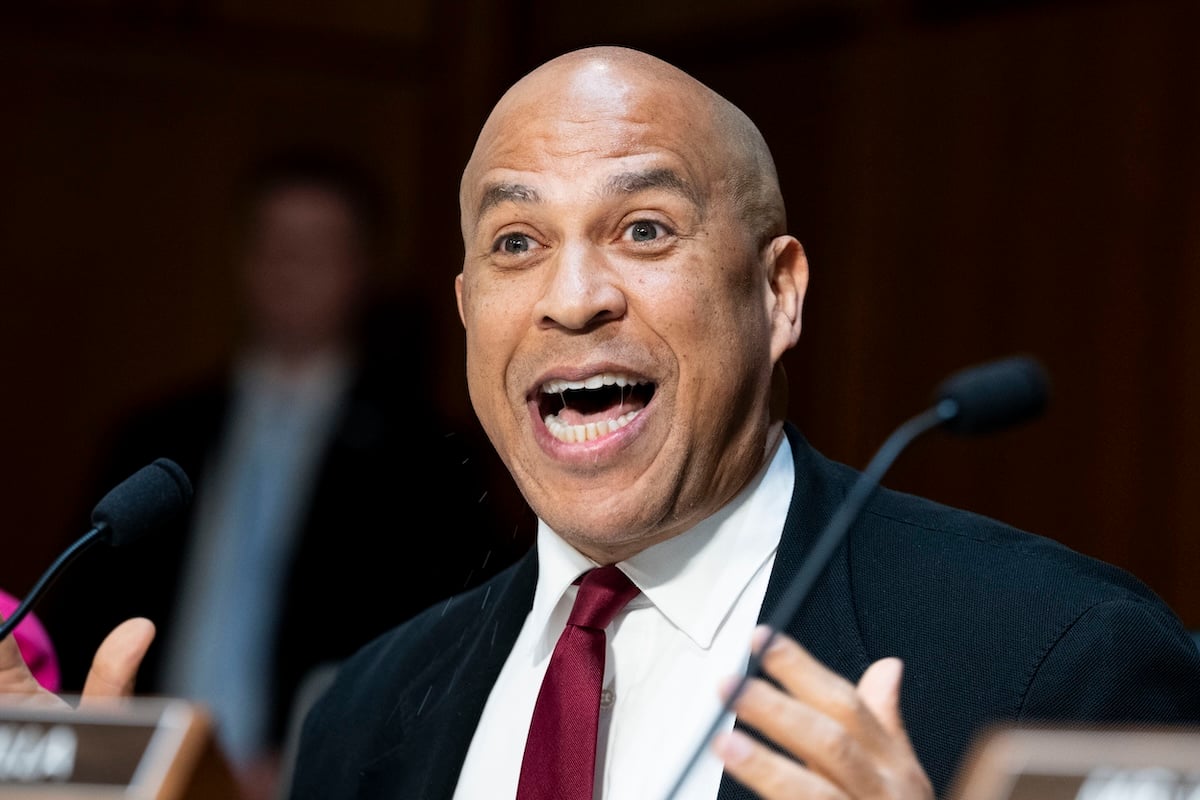
Sen. Cory Booker (D-NJ) introduced the Diversify Act (S. 5431) on September 17, 2026. The bill would double the TEACH Grant, a federal award for students training to teach high-need subjects at low-income schools, from $4,000 to $8,000 a year.
Lifetime limits would rise from $16,000 to $32,000 for undergraduates and from $8,000 to $16,000 for graduate students. That would make TEACH one of the larger federal grants available to pay for college.
Booker announced the bill with Reps. Jesús “Chuy” García (D-IL) and Jahana Hayes (D-CT), who also are leading a House companion bill. Twelve Senate Democrats signed on, and 44 groups endorsed it, including the National Education Association and the American Federation of Teachers.
“We should be putting money back in teachers’ pockets,” Booker said in García’s release, a goal that overlaps with loan forgiveness programs for teachers.
Would you like to save this?
Why It Matters
The TEACH Grant hasn’t kept pace with college costs. Its $4,000 cap is set in law, and federal sequestration cuts it further. For first disbursements between October 1, 2026, and September 30, 2027, the maximum TEACH Grant is $3,772 after a 5.7% cut. That’s about half the maximum Pell Grant of $7,395 for 2026-27.
The Diversify Act would end those sequester reductions and double the base award.
The bigger change targets the conversion penalty. TEACH recipients agree to teach full time in a high-need field at a low-income school for four years within eight years of finishing their program. If they don’t, the grant becomes a Direct Unsubsidized Loan with interest charged from the date of each disbursement.
A 2015 GAO review found about 36,000 of more than 112,000 recipients had grants converted to loans, including 2,252 conversions made in error.
What The Bill Would Change
Booker’s office lists these changes to the TEACH Grant program, which is separate from the federal grants students get based on financial need because it requires a service commitment:
- Award amount: $8,000 a year, up from $4,000, with no sequestration cuts.
- Lifetime limits: $32,000 for undergraduates and $16,000 for graduate students.
- What it can pay for: The full cost of attendance, including off-campus housing, food, and books.
- Qualifying service: Teaching in high-need early childhood education programs would count, and early childhood education would become a designated shortage area.
- Conversion penalty: Eliminated. Recipients who don’t complete service would no longer see the grant turn into a loan.
- Eligible programs: Teacher prep programs at public and private nonprofit schools only, which would exclude for-profit programs.
| Rule | Current Law | Diversify Act (Proposed) |
|---|---|---|
| Annual Award | $4,000 ($3,772 after sequester) | $8,000, no sequester cut |
| Undergraduate Lifetime Limit | $16,000 | $32,000 |
| Graduate Lifetime Limit | $8,000 | $16,000 |
| Covers | Tuition, fees, on-campus housing | Full cost of attendance |
| Early Childhood Service | Does not count | Counts in high-need programs |
| Service Not Completed | Converts to unsubsidized loan | No loan conversion |
What Would The Math Look Like?
An undergraduate who takes the full TEACH Grant for four years today would receive about $15,088 at the current $3,772 annual amount. Under the Diversify Act, the same student could receive up to $32,000, enough to cover a larger share of the average cost of college at a public school.
The bigger difference shows up if that student leaves teaching early. Under current law, a graduate who teaches two years and then changes careers would see the full $15,088 convert to an unsubsidized federal loan, with interest counted from each disbursement date going back to freshman year.
Under the bill, that student would owe nothing. The trade-off is that the service agreement would no longer carry a financial penalty if a recipient walks away.
Who Would Benefit Most?
Students headed into hard-to-staff teaching jobs would gain the most. The Learning Policy Institute counted at least 411,549 teaching positions that were unfilled or held by teachers not fully certified in 2025, about 1 in 8 nationally.
Special education, science, and math top the shortage list, and those subjects already count as high-need fields for TEACH. Teachers in those roles can also stack forgiveness, and a separate bill would let teachers combine PSLF and Teacher Loan Forgiveness.
Ending the conversion penalty would remove the main risk of taking the grant. Teaching pay remains modest, with an average starting salary of $48,112 in 2024-25, according to NEA data. A new teacher who leaves the classroom early currently faces up to $16,000 in loans plus years of interest, though converted loans do qualify for income-driven repayment under RAP.
How This Connects
The conversion problem has a long history. A 2018 Education Department report found 63% of recipients due to begin service had grants converted, many for missing annual paperwork.
The department later reversed conversions for more than 6,500 teachers, erasing nearly $44 million in loans, and 2021 rules stopped automatic conversion for a missed certification.
Paperwork remains the most common trap in teacher benefits, the same way PSLF errors cost borrowers qualifying payments.
What’s Next
The bill went to the Senate HELP Committee. Booker first introduced the Diversify Act as S. 1780 in 2021, then again in 2023, and neither version got a committee vote.
This version has no Republican cosponsors, and the bill dies when the 119th Congress ends January 3, 2027, unless it moves first. Future teachers who are confident they’ll finish the service can still apply for TEACH today. Anyone who also borrows should look at Public Service Loan Forgiveness as a backstop.
Editor: Colin Graves

Get the latest financial news and actionable insights.
How it works:
- 1Enter your email and subscribe.
- 2Get the latest personal finance and education news delivered every week.
- 3Take control of your finances with real insights.
- 4We won't spam you, ever!

Robert Farrington is the founder of The College Investor and is widely recognized as one of the nation’s leading voices on student loan debt and saving for college. He holds an MBA from UC San Diego Rady School of Management and has spent over 15 years researching, writing, and advising on student loans, 529 plans, financial aid programs, and saving and investing for young professionals.
Robert has been featured in the The New York Times, The Wall Street Journal, The Washington Post, NBC News, and Forbes, where he has been a regular personal finance contributor for over a decade. His work combines both professional expertise and personal experience – he successfully navigated his own student loan repayment journey and has helped thousands of readers do the same.
He is committed to making the intersection of personal finance and education transparent and accessible. You can learn more about Robert on the About Page or on his personal site RobertFarrington.com.