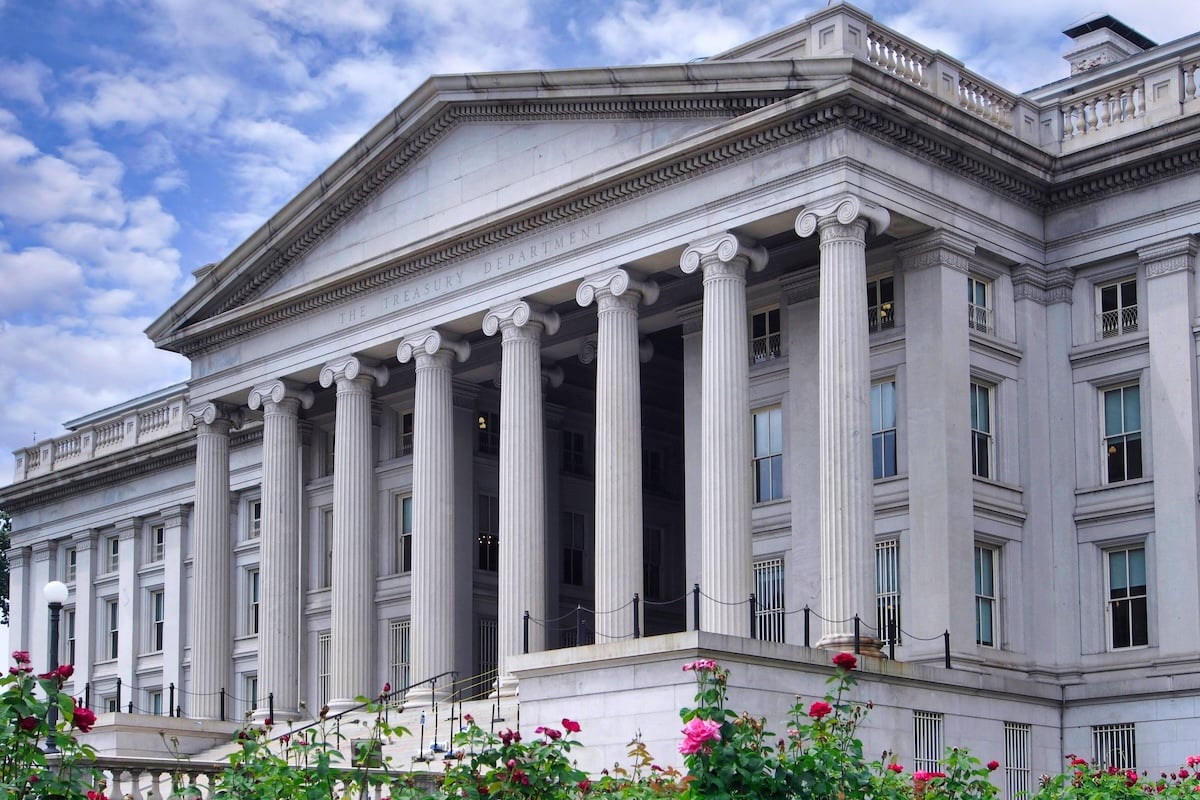
The U.S. Department of Education and the U.S. Department of the Treasury launched the Defaulted Loans Support Center on September 30, 2026, a new section of StudentAid.gov where borrowers with defaulted federal student loans can apply online to rehabilitate or consolidate their loans. According to the joint press release, the portal replaces “outdated websites and burdensome mail and fax-based processes” that have governed default resolution for decades.
It is the first major borrower-facing product to come out of the ED-Treasury partnership that moved defaulted loan collections to Treasury earlier this year.
The portal lives at studentaid.gov/default-support and uses a borrower’s existing StudentAid.gov login. That alone is a change from the old MyEdDebt.ed.gov system, which required a separate account tied to a Social Security number.
This is important give then fact that the Treasury takeover affects 7.8 million defaulted borrowers.
Would you like to save this?
Why It Matters
Student loan default is one of the worst possible financial scenarios for an American.
Collection costs can add up to 20% to what a borrower owes, the government can take federal tax refunds through Treasury offset, and wage garnishment of up to 15% of disposable pay requires no court order. As of December 31, 2025, roughly $179 billion in federal student loans were in default.
The major pathway of student loan rehabilitation has also been historically slow. To begin student loan rehabilitation, a borrower had to call the Default Resolution Group, submit income documentation, and then wait roughly 10 business days for a rehabilitation agreement to arrive by mail.
For the more than 5 million people who have been in default for over six years, a process that starts with a phone call and a mailbox is a real barrier.
What The New Defaulted Borrower Portal Does
The press release lists five functions a defaulted borrower can now handle in one place:
- Review the consequences of default, including credit reporting and collection actions
- Compare rehabilitation and consolidation side by side
- Apply online for either loan rehabilitation or Direct Consolidation
- Make a payment on a defaulted loan
- Review repayment plans and loan discharge options
For rehabilitation specifically, the Education Department says borrowers can complete the application, upload documents, see an estimated monthly payment, sign the agreement electronically, and track progress without leaving StudentAid.gov. Rehabilitation still requires nine on-time payments within 10 consecutive months, and the portal changes how you apply, not how long the program takes.
For consolidation, borrowers who apply through the portal and enroll in auto pay can access the temporary 1% interest rate reduction the Education Department announced this summer. Consolidation gets a borrower out of default in weeks rather than months, but as our breakdown of the problems with student loan consolidation explains, the default record stays on the credit report, while rehabilitation removes it.
It’s also important to note for borrowers who consolidate their student loans that they will now face limited repayment plan choices of only RAP or tiered standard.
How It Compares To MyEdDebt
The old MyEdDebt.ed.gov portal let borrowers check loan status, make payments, and view payment history. It did not let them apply for rehabilitation or consolidation online, which is why the Default Resolution Group’s phone line and paper agreements carried so much of the workload. The new website folds those applications into the same account borrowers already use for FAFSA, repayment plan changes, and loan details.
One caveat: as of publication, the Federal Student Aid default FAQ page still references MyEdDebt.ed.gov and the DRG phone number (1-800-621-3115). The press release does not give a shutdown date for the old site, so borrowers with an existing MyEdDebt account should expect both to operate for some period.
We will update our Treasury collections coverage when the department clarifies the transition.
What The Numbers Say
The Education Department reports that since the Treasury partnership launched, approved rehabilitation applications are up 69% and consolidations out of default are up 95%, after a fix to what the department calls “a Biden-era technical issue” that blocked defaulted borrowers from consolidating.
These figures come from the department’s own press release and have not been independently audited. The department also attributes the large number of borrowers in default to the prior administration’s Fresh Start program and the on-ramp period, a characterization the press release makes without supporting data.
According to the same release, borrowers have given positive reviews of the new setup: 89% said it was easy to complete, 86% said they understood their next step, and 84% said it took a reasonable amount of time.
How This Connects
Treasury’s Bureau of the Fiscal Service began contacting roughly 500,000 defaulted borrowers in July 2026, with more aggressive tactics like garnishment and benefit offsets expected to expand after the midterm elections, as we reported in our July collections ramp-up story.
An improved self-service portal to allow borrowers to take action on their default loans themselves is a positive step in the right direction. Our reporting on the Treasury handoff noted that the Fiscal Service cut about 40% of its workforce between September 2024 and February 2026, which makes an online application more important, not less, since fewer staff are available to process paper.
What’s Next
Watch for a shutdown date for MyEdDebt.ed.gov and for the Education Department to update its own default FAQ pages to point to the new center.
Starting July 1, 2027, borrowers will be able to rehabilitate a loan twice instead of once, and the portal is where that second chance will presumably be processed.
Borrowers in default should log in at studentaid.gov/default-support, compare the two options, and start an application before Treasury’s outreach turns into garnishment.
Editor: Colin Graves

Robert Farrington is the founder of The College Investor and is widely recognized as one of the nation’s leading voices on student loan debt and saving for college. He holds an MBA from UC San Diego Rady School of Management and has spent over 15 years researching, writing, and advising on student loans, 529 plans, financial aid programs, and saving and investing for young professionals.
Robert has been featured in the The New York Times, The Wall Street Journal, The Washington Post, NBC News, and Forbes, where he has been a regular personal finance contributor for over a decade. His work combines both professional expertise and personal experience – he successfully navigated his own student loan repayment journey and has helped thousands of readers do the same.
He is committed to making the intersection of personal finance and education transparent and accessible. You can learn more about Robert on the About Page or on his personal site RobertFarrington.com.