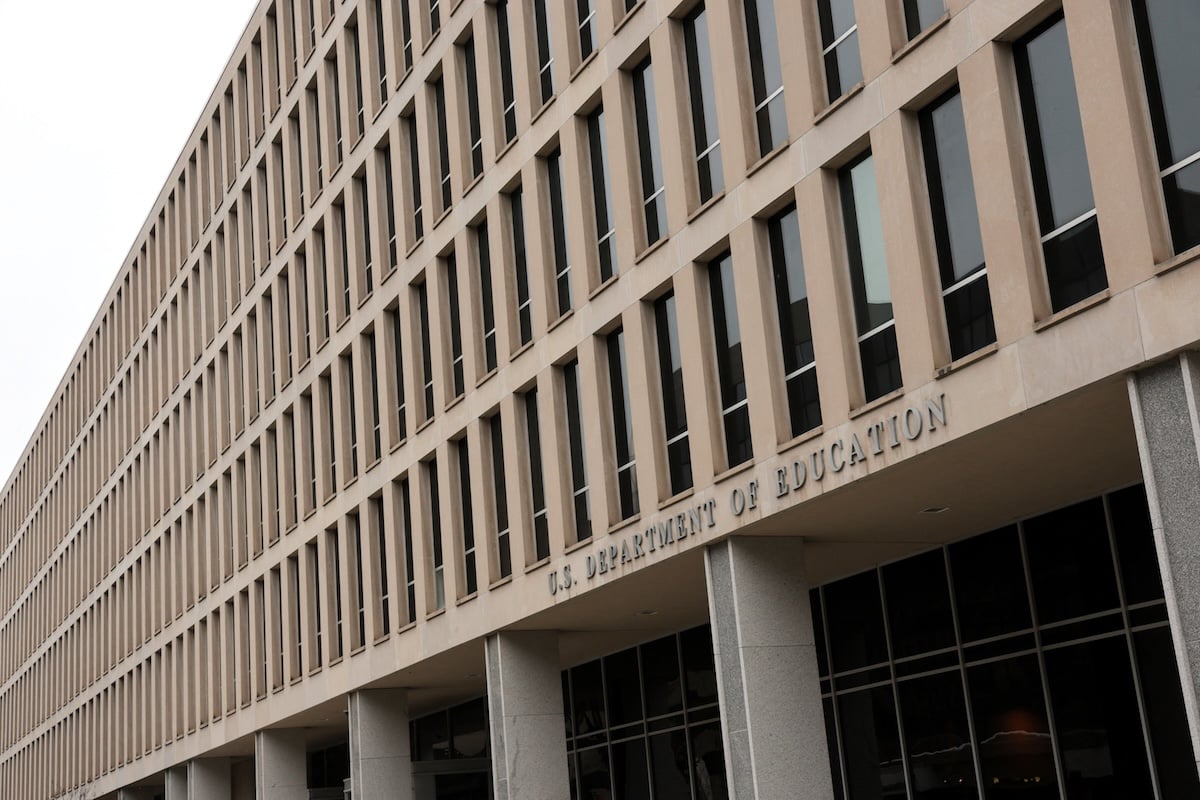
The U.S. Department of Education announced on September 29, 2026 that it was extending the enrollment window for its temporary 1% student loan interest rate reduction by three months. Borrowers who enroll in auto pay by December 31, 2026, or who are already enrolled, keep the reduced rate through June 30, 2028. The original deadline would have closed at the end of September. The 1% discount replaced the old 0.25% auto pay discount on July 1, 2026 for eligible borrowers.
The Department says nearly 2 million borrowers have signed up for auto pay since the benefit was announced this summer. Under Secretary of Education Nicholas Kent said in the statement that the discount is already lifting repayment rates across the federal portfolio, which has been struggling as 9.3 million borrowers sit in default.
Would you like to save this?
Why It Matters
For a borrower with a $40,000 balance, the extra 0.75% discount over the 0.25% legacy discount is worth roughly $600 in saved interest across the two-year window. Larger balances save more, and the discount applies to any Federal Direct Loan originated after July 1, 2012, including Parent PLUS loans.
The extension also buys time for the millions of borrowers still leaving the SAVE plan. Each SAVE borrower gets a 90-day window to pick a new plan once their notice arrives, and only about half of borrowers have received a notice, according to The College Investor’s estimates. A September 30 cutoff would have shut out borrowers who never had a chance to enroll in a lawful plan before the deadline.
Furthermore, enrolling in Auto Pay also requires you to be enrolled in a repayment plan. According to many comments we’ve seen on our platforms, several loan servicers are struggling to process repayment plan applications in a timely manner, with borrowers reporting wait times of several months. As such, those borrowers who applied on time have not been able to access the auto-pay discount as a result of their loan servicer’s failure.
Who Qualifies And How To Enroll
The Department’s press release spells out four groups:
- Already enrolled in auto pay: Nothing to do. Servicers adjusted these rates to the 1% reduction automatically when the benefit launched.
- Not yet enrolled: Log in to your servicer account, select auto pay from the menu, enter bank account details, and confirm the payment amount. You must stay enrolled and eligible to keep the discount.
- Former SAVE borrowers: The discount applies once you have moved into a different, active repayment plan such as RAP, IBR, or Standard. This must be completed by the December 31 deadline.
- Borrowers in default: You must first log in to StudentAid.gov, consolidate eligible loans, apply for a repayment plan, and then enroll in auto pay. The discount becomes available only after the loans return to good standing. It’s important to note that rehabilitation won’t meet the deadline since rehabilitation requires 9 on-time payments.
That last group faces the most pressure. Wage garnishment on defaulted loans restarts this fall, taking up to 15% of a borrower’s without a court order, so getting out of default before December 31 now carries a rate discount on top of stopping collections.
Why The Department Is Pushing Auto Pay
The 1% discount is a carrot to encourage borrowers to enroll in a repayment plan and resume making payments.
This comes alongside the new Repayment Assistance Plan, which waives unpaid interest and adds a matching principal payment of up to $50 each month, but only when the borrower makes a full, on-time payment. On RAP, paying early can reduce the interest waiver, and paying late forfeits both benefits for that month. Auto pay removes this problem entirely.
The same logic applies to Public Service Loan Forgiveness, which requires 120 on-time qualifying payments. A late payment is a month that does not count. The Department is betting that fewer missed payments will mean fewer new defaults after a year in which the defaulted portfolio grew by roughly 1.6 million borrowers and $54 billion.
How This Connects
The extension follows a year of stop-and-start collections policy. The Department paused wage garnishment and tax refund offsets in early 2026 to roll out RAP, then handed collections to the Treasury Department, which began ramping up contact with defaulted borrowers in July.
The auto pay discount is the incentive side of that same strategy: reward borrowers who stay current while the penalties for falling behind return.
The auto pay discount will help borrowers on the Standard or Tiered Standard plans the most, where a lower rate means more of each payment hits principal – shaving time off repayment. Borrowers on income-driven plans see less direct benefit, since their monthly payment is set by income rather than balance, but the discount still trims total interest and auto pay protects the RAP subsidy that matters more for them.
What’s Next
Watch the Department’s next Federal Student Aid data release for whether auto pay enrollment moves the delinquency numbers, and whether SAVE exit notices keep pace with the December 31 deadline.
A second extension is possible if a large share of SAVE borrowers are still in forbearance in December, but the Department has not signaled one. Borrowers who enroll by December 31 lock in the discount through June 30, 2028.
Editor: Colin Graves

Robert Farrington is the founder of The College Investor and is widely recognized as one of the nation’s leading voices on student loan debt and saving for college. He holds an MBA from UC San Diego Rady School of Management and has spent over 15 years researching, writing, and advising on student loans, 529 plans, financial aid programs, and saving and investing for young professionals.
Robert has been featured in the The New York Times, The Wall Street Journal, The Washington Post, NBC News, and Forbes, where he has been a regular personal finance contributor for over a decade. His work combines both professional expertise and personal experience – he successfully navigated his own student loan repayment journey and has helped thousands of readers do the same.
He is committed to making the intersection of personal finance and education transparent and accessible. You can learn more about Robert on the About Page or on his personal site RobertFarrington.com.