Key Points
- A $5 match for every $1 saved: Sen. Jeff Merkley’s Homeownership Promise Act would give first-time homebuyers up to $50,000 from HUD on top of $10,000 they save themselves, for as much as $60,000 at closing.
- Limits on who and what qualifies: Buyers must be 18 or older, have never owned a home and finish HUD-approved housing counseling. The home can’t cost more than the area’s median single-family price, and the bill sets no income limit.
- Still a long shot: The bill has two Democratic sponsors and no dollar figure or cost estimate. It needs Republican support to move in the Senate before the 119th Congress ends in January 2027.
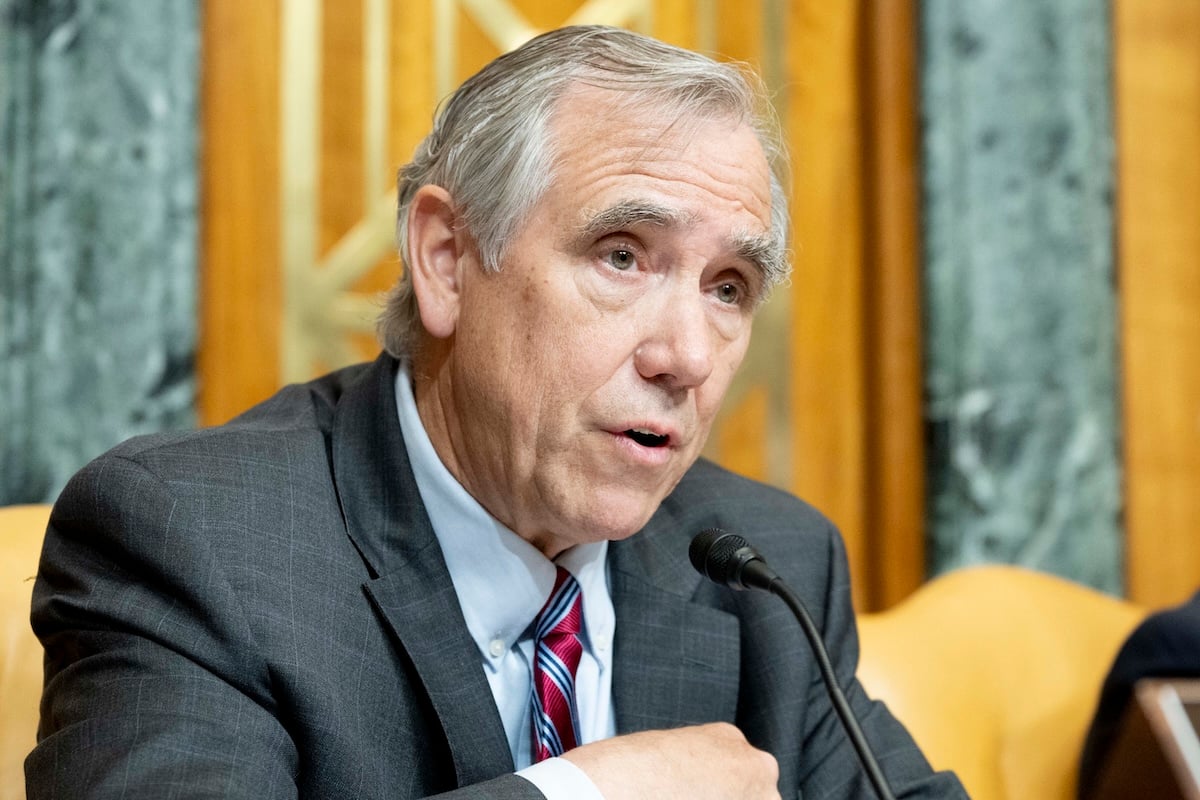
Sen. Jeff Merkley introduced the Homeownership Promise Act (PDF File) on September 23, 2026, a bill that would have the federal government match first-time homebuyers’ down payment savings at a 5-to-1 rate. A saver who puts away the $10,000 maximum would receive up to $50,000 from the Department of Housing and Urban Development (HUD), for a combined $60,000 at closing. Sen. Ron Wyden is the lone cosponsor, according to Merkley’s announcement.
The new Homeownership Promise Accounts would function as savings accounts with a large federal grant paid out on purchase day. The concept resembles the match Foyer offers on home down payment savings and the $1,000 federal Saver’s Match coming to retirement accounts in 2027, but at a far larger multiple.
The bill defines an “eligible family” as one or two first-time buyers, so a couple buying together would share one account and one $60,000 cap rather than each opening their own (another marriage penalty).
Would you like to save this?
Why It Matters
The typical first-time buyer is now 40 years old, the oldest on record, and first-time buyers accounted for just 21% of purchases (a historic low) according to the National Association of Realtors’ 2025 Profile of Home Buyers and Sellers. Merkley’s stated goal is a credible path to a modest home by age 30. Younger buyers carrying student loan debt face a second squeeze, since student loan payments count against your debt-to-income ratio when a lender figures out how much mortgage you can qualify for.
The dollar amounts show why a 5-to-1 match is the right fit. The median existing-home price was $429,100 in August 2026, and NAR reports first-time buyers put down a median 10%, or about $42,900 at that price. A maxed-out $60,000 account would cover that with room to spare, equal to roughly 14% of the median home.
Building the same balance alone in a high-yield savings account would take most young households years longer.
The Details
Here’s how the accounts would work:
- Eligibility: One or two first-time homebuyers age 18 or older who have never owned a principal residence and have completed a HUD-approved housing counseling program.
- Home price cap: The purchase price, excluding closing costs, can’t exceed the median single-family price for the area as determined by HUD.
- Income limits: None appear in the bill text (this is rare).
- Where accounts live: Any participating Community Development Financial Institution (CDFI), which must pay interest comparable to its unrestricted savings accounts. Many CDFIs are credit unions.
- Contribution caps: $10,000 combined from personal, employer, and nonprofit sources, plus up to $50,000 in federal matching funds.
- What gets matched: The bill ties the 5x grant to personal contributions only. Employer and nonprofit money counts toward the $10,000 cap but, as written, doesn’t draw its own match. A worker whose employer chips in $4,000 could personally save $6,000 and collect $30,000 in federal funds.
- Emergency access: Savers can withdraw their own contributions at any time, for any reason, in any amount. The summary adds that matching grants would pay out only after the full contribution balance is restored.
- Payout timing: HUD’s grant executes at the closing settlement, and up to two eligible families can apply their accounts to the same purchase.
How This Connects
Congress has floated several first-time buyer proposals this year. A bipartisan Senate bill introduced in August would let savers pull up to $35,000 tax-free from a 529 plan for a first home, provided the account has been open at least 15 years.
Current law already permits a $10,000 penalty-free IRA withdrawal for a first home purchase, though that option requires having retirement savings to tap in the first place.
Merkley’s approach stands apart because it adds new federal dollars rather than unlocking tax breaks on money families already saved, putting it closer to the $1,000 Trump Account deposit for newborns than to a deduction.
Housing has been a long-running focus for Merkley, who ran Portland Habitat for Humanity before entering the Senate. His office credits him with the predatory mortgage ban in the 2010 Dodd-Frank Act and with the hedge fund single-family home purchase ban in the 21st Century ROAD to Housing Act, which recently became law.
What’s Next
The bill is still just a proposal. It only has on cosigner and there’s no indication the Republican-controlled committee will even consider it. Without consideration, the proposal would expire when the 119th Congress ends in January 2027.
Until then, buyers can estimate how much house they can afford using savings they control today.
Editor: Colin Graves

Get the latest financial news and actionable insights.
How it works:
- 1Enter your email and subscribe.
- 2Get the latest personal finance and education news delivered every week.
- 3Take control of your finances with real insights.
- 4We won't spam you, ever!

Robert Farrington is the founder of The College Investor and is widely recognized as one of the nation’s leading voices on student loan debt and saving for college. He holds an MBA from UC San Diego Rady School of Management and has spent over 15 years researching, writing, and advising on student loans, 529 plans, financial aid programs, and saving and investing for young professionals.
Robert has been featured in the The New York Times, The Wall Street Journal, The Washington Post, NBC News, and Forbes, where he has been a regular personal finance contributor for over a decade. His work combines both professional expertise and personal experience – he successfully navigated his own student loan repayment journey and has helped thousands of readers do the same.
He is committed to making the intersection of personal finance and education transparent and accessible. You can learn more about Robert on the About Page or on his personal site RobertFarrington.com.