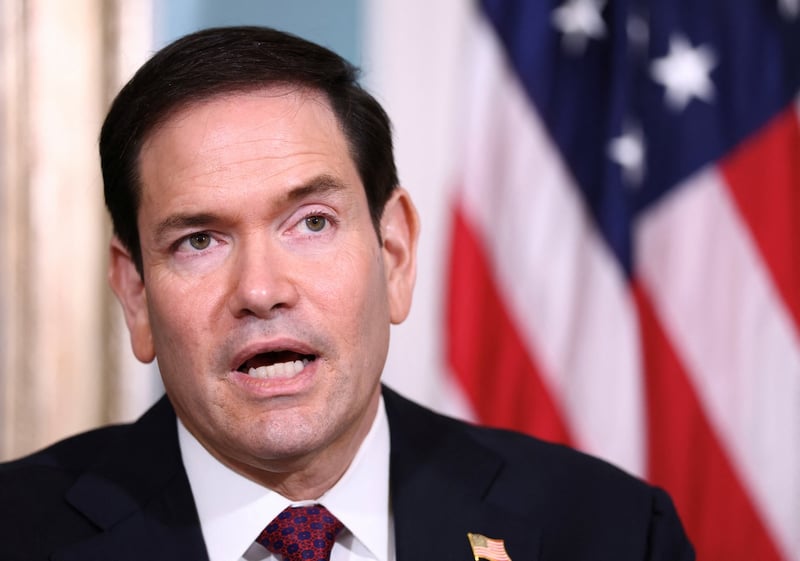
Thirty senators sent a letter to Secretary of State Marco Rubio on August 11, 2026, demanding the State Department restore priority to F, M, and J visa interviews before the fall term begins.
Led by Sen. Alex Padilla (D-CA), the group wrote in the letter (PDF File) that "no timely visa appointments are available for students at some embassies and consulates" during peak application season. They gave the department 30 days to answer 10 questions covering staffing, interview slot allocation, and the guidance sent to consular posts since August 2025.
The push lands as international enrollment already drives job cuts and program closures at U.S. universities.
Would you like to save this?
Why It Matters
International students made up about 6% of U.S. higher education enrollment but contributed nearly $43 billion to the economy in 2024-2025 and supported more than 355,000 American jobs, according to the letter.
Most pay full out-of-state or international rates, subsidizing the price domestic families pay, as we reported in how colleges build and inflate their sticker prices. Research the senators cite found that for every additional international undergraduate at a public university, two more in-state freshmen can enroll.
When that revenue disappears, the gap gets closed with tuition hikes and cuts, and the average cost of college keeps climbing.
What The Senators Are Asking For
- Restore consular priority to interviewing and adjudicating student visas in time for the school year
- Extend interview waivers for vetted returning student applicants
- Resume publicly posting monthly visa issuance data by category, paused since September 2025
- Disclose all guidance sent to embassies on prioritizing or deprioritizing student visas since August 2025
- Report average F, M, and J processing times at the five busiest posts, month by month
- Report how many applications were refused under the new online presence vetting rules, by reason
How This Connects
The squeeze started with the 2025 policy shift (a May 27 to June 18, 2025 pause on student visa interviews followed by social media vetting for all applicants) which cut new student visas 35.6% last summer.
The effects show up in university budgets now: UT Arlington projected a $13 million to $15.6 million tuition revenue loss for fiscal 2026, and DePaul laid off 114 staff. Schools facing similar shortfalls appear in our tracker of colleges closing and merging in 2026 and in Syracuse's first budget deficit in years.
The 30-day clock puts a written response due around September 10, 2026 — after most fall terms begin. NAFSA modeling reported by Inside Higher Ed projects visa delays could cut international enrollment 15% next year and erase roughly $7 billion in spending.
Watch whether the Department of State resumes monthly reporting, and whether interview waivers get extended before spring applications open. Students already enrolled who need funding should compare international student loan options, since most require a U.S. cosigner.
Common Questions
Why are U.S. student visa appointments delayed in 2026?
The backlog traces to a 2025 policy shift. The State Department paused student visa interviews from May 27 to June 18, 2025, then required social media vetting for every F, M, and J applicant when interviews resumed. The extra screening slowed processing at consulates, and the department stopped publishing monthly visa issuance data in September 2025, making the size of the backlog hard to measure. New student visa issuances fell 35.6% last summer, and the 2026 fall term is now facing the same squeeze.
Which student visa categories are affected by the current backlog?
All three student and exchange categories: F visas for academic students, M visas for vocational students, and J visas for exchange visitors, including many graduate researchers and scholars. The social media vetting requirement applies to every applicant in these categories, so no group is exempt from the added processing time.
What did the 30 senators ask the State Department to do about student visa delays?
In an August 11, 2026 letter led by Senator Alex Padilla (D-CA) to Secretary of State Marco Rubio, the senators asked the department to restore consular priority for student visa interviews before the fall term, extend interview waivers for returning students who have already been vetted, and resume publishing monthly visa issuance data. They also requested all embassy guidance on prioritizing or deprioritizing student visas since August 2025, monthly processing times at the five busiest posts, and the number of refusals under the online presence vetting rules. The letter set a response deadline of roughly September 10, 2026.
Will the Senate letter guarantee me a student visa interview before classes begin?
No. The letter is a request, not a directive, and the State Department has not publicly responded. Consular scheduling remains controlled by the department and individual posts. Students should keep checking appointment availability, ask their school's international office about deferral or late-arrival options, and confirm whether their post offers expedited appointments for students with an imminent program start date. Any policy change would come from the State Department, not from the letter itself.
Don't Miss These Other Stories:

Get the latest financial news and actionable insights.
How it works:
- 1Enter your email and subscribe.
- 2Get the latest personal finance and education news delivered every week.
- 3Take control of your finances with real insights.
- 4We won't spam you, ever!

Robert Farrington is the founder of The College Investor and is widely recognized as one of the nation’s leading voices on student loan debt and saving for college. He holds an MBA from UC San Diego Rady School of Management and has spent over 15 years researching, writing, and advising on student loans, 529 plans, financial aid programs, and saving and investing for young professionals.
Robert has been featured in the The New York Times, The Wall Street Journal, The Washington Post, NBC News, and Forbes, where he has been a regular personal finance contributor for over a decade. His work combines both professional expertise and personal experience – he successfully navigated his own student loan repayment journey and has helped thousands of readers do the same.
He is committed to making the intersection of personal finance and education transparent and accessible. You can learn more about Robert on the About Page or on his personal site RobertFarrington.com.