Key Points
- The BASIC Act would authorize $1 billion a year from fiscal 2027 through 2033 for colleges to address students’ food, housing, childcare, health care, transportation, and technology needs.
- Colleges could get planning grants of up to $200,000 and five-year implementation grants of up to $5 million, with priority for schools where at least 25% of students receive Pell Grants.
- The bill would also let FAFSA filers share their aid data with benefit agencies so students are screened for SNAP, Medicaid, and other programs, but it has no Republican cosponsors.
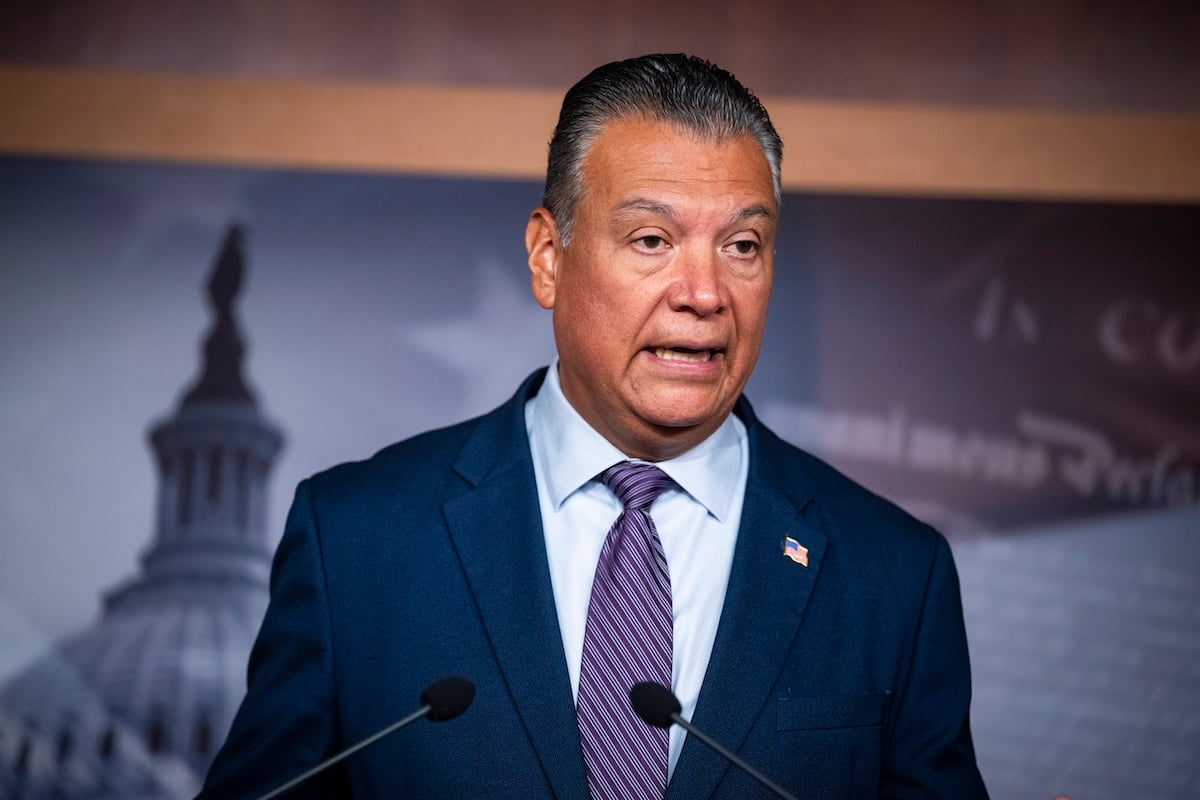
Sen. Alex Padilla (D-CA) and Rep. Norma Torres (D-CA) introduced the Basic Assistance for Students in College Act, known as the BASIC Act, on September 24, 2026. The Senate bill, S. 5559, and the House companion, H.R. 10612, would create a federal grant program to help colleges cover the costs that sit outside tuition. Those costs often make up most of a student’s budget, as our breakdown of what room and board covers shows.
“No student should have to choose between meeting their everyday needs and pursuing higher education,” Padilla said in his announcement. Sen. Elizabeth Warren (D-MA) co-leads the Senate bill, and 15 House Democrats signed on to Torres’s version.
Endorsers include the American Council on Education, the University of California, and The Hope Center, which tracks the non-tuition costs that derail students.
Would you like to save this?
Why It Matters
Basic needs gaps are common on campus. A 2024 GAO report found about 3.8 million college students, or 23%, were food insecure in 2020, based on federal survey data. Fewer than 2 in 5 of those students were potentially eligible for SNAP, and 59% of the eligible group didn’t receive benefits.
Students can use federal student loans to pay for housing, but that turns rent and groceries into debt. The Hope Center’s latest survey of 74,350 students found 59% faced basic needs insecurity, and 48% faced housing insecurity.
Free tuition doesn’t solve the problem. Brookings estimates students at tuition-free schools still face $20,000 to $25,000 a year in other costs. When aid falls short, students cut meals, take on more work hours, or borrow, and many end up searching for options after they run out of financial aid mid-year.
How The Grants Would Work
The bill text creates two kinds of grants under a new section of the Higher Education Act. Any college eligible for federal student aid could apply, the same schools students list on the 2027-28 FAFSA:
- Planning grants: Up to $200,000 for up to two years, to form a basic needs committee, study unmet needs, and build a campus strategy. These would total $40 million a year.
- Implementation grants: Up to $5 million per five-year period, totaling $960 million a year. Colleges must show an ongoing non-federal funding source and carry out at least two eligible activities.
- Eligible activities: Free or subsidized food, housing, or sleeping space, priority childcare, benefits application help and case management, coordination with SNAP and housing agencies, transportation, equipment, and staff.
- Priority and set-asides: Colleges where at least 25% of students are Pell-eligible get priority. At least 25% of funds go to community colleges, and at least 25% go to HBCUs, Tribal Colleges, and other minority-serving institutions.
The 2024 version capped planning grants at $75,000 and implementation grants at $1 million, so this version raises both limits. Larger awards matter most at schools where the gap between financial aid and the full cost is widest.
| Grant Type | Planning Grant | Implementation Grant |
|---|---|---|
| Maximum Award | $200,000 | $5 million |
| Length | Up to 2 years | 5-year period |
| Annual Funding | $40 million | $960 million |
| Purpose | Study needs, build a campus strategy | Food, housing, childcare, benefits help, transportation |
| Match Required | No | Ongoing non-federal funding source |
How Would The FAFSA Change?
The bill would turn the FAFSA into a screening tool for public benefits. Applicants could let the Education Department share their Student Aid Index and Pell Grant status with agencies that run SNAP, Medicaid, WIC, TANF, housing assistance, and childcare subsidies. The department would then send eligible students information about those programs.
The bill bars use of the shared data for other purposes, including criminal or civil investigations.
The bill doesn’t change who qualifies for SNAP. College students enrolled at least half time still need an exemption, such as working 20 hours a week, receiving work-study, or caring for a young child. Student parents would gain the most from outreach, since childcare costs often rival tuition, a cost some families offset with a dependent care FSA.
What Would Students Actually See?
Students wouldn’t apply for BASIC Act money themselves. The grants go to colleges, which would spend them on services such as campus food pantries, emergency housing, childcare slots, transit passes, and staff who help students apply for benefits. The help would show up as lower out-of-pocket costs or faster access to programs students already qualify for, not as a new grant next to a student’s Pell Grant on the aid offer.
Students facing housing loss have another tool today. The FAFSA asks whether a student is an unaccompanied youth who is homeless or at risk of homelessness, and a yes can qualify the student as independent for aid purposes. Independent status often raises Pell eligibility, and our walkthrough of the FAFSA’s student personal circumstances questions covers how to answer it.
How This Connects
A smaller version of this program already exists. The Education Department’s Basic Needs for Postsecondary Students Program awarded about $9.9 million in 2026, with Michigan’s education agency receiving nearly $5 million of it.
The BASIC Act would scale that effort roughly 100-fold. Families planning ahead should still budget for housing and food separately, using our numbers on how to pay for college housing.
What’s Next
S. 5559 went to the Senate HELP Committee, and the House bill is expected to go to the Education and Workforce Committee. Earlier versions in 2021 and 2024 never advanced past committee referral.
This version also has no Republican cosponsors, and the 119th Congress ends January 3, 2027. The better path to watch is annual appropriations for the existing basic needs program. Students who need help now should contact their financial aid office about options when financial aid doesn’t cover the full cost.
Editor: Colin Graves

Get the latest financial news and actionable insights.
How it works:
- 1Enter your email and subscribe.
- 2Get the latest personal finance and education news delivered every week.
- 3Take control of your finances with real insights.
- 4We won't spam you, ever!

Robert Farrington is the founder of The College Investor and is widely recognized as one of the nation’s leading voices on student loan debt and saving for college. He holds an MBA from UC San Diego Rady School of Management and has spent over 15 years researching, writing, and advising on student loans, 529 plans, financial aid programs, and saving and investing for young professionals.
Robert has been featured in the The New York Times, The Wall Street Journal, The Washington Post, NBC News, and Forbes, where he has been a regular personal finance contributor for over a decade. His work combines both professional expertise and personal experience – he successfully navigated his own student loan repayment journey and has helped thousands of readers do the same.
He is committed to making the intersection of personal finance and education transparent and accessible. You can learn more about Robert on the About Page or on his personal site RobertFarrington.com.