Key Points
- S. 5451, introduced by Sen. Jim Banks (R-IN), would limit Pell Grants to U.S. citizens and nationals.
- Permanent residents, refugees, and other eligible noncitizens who can get a Pell Grant today would lose access, while federal student loans and work-study would stay open to them.
- Undocumented and DACA students already can’t receive Pell Grants, and the bill has no cosponsors, so its odds of passing before Congress adjourns are low.
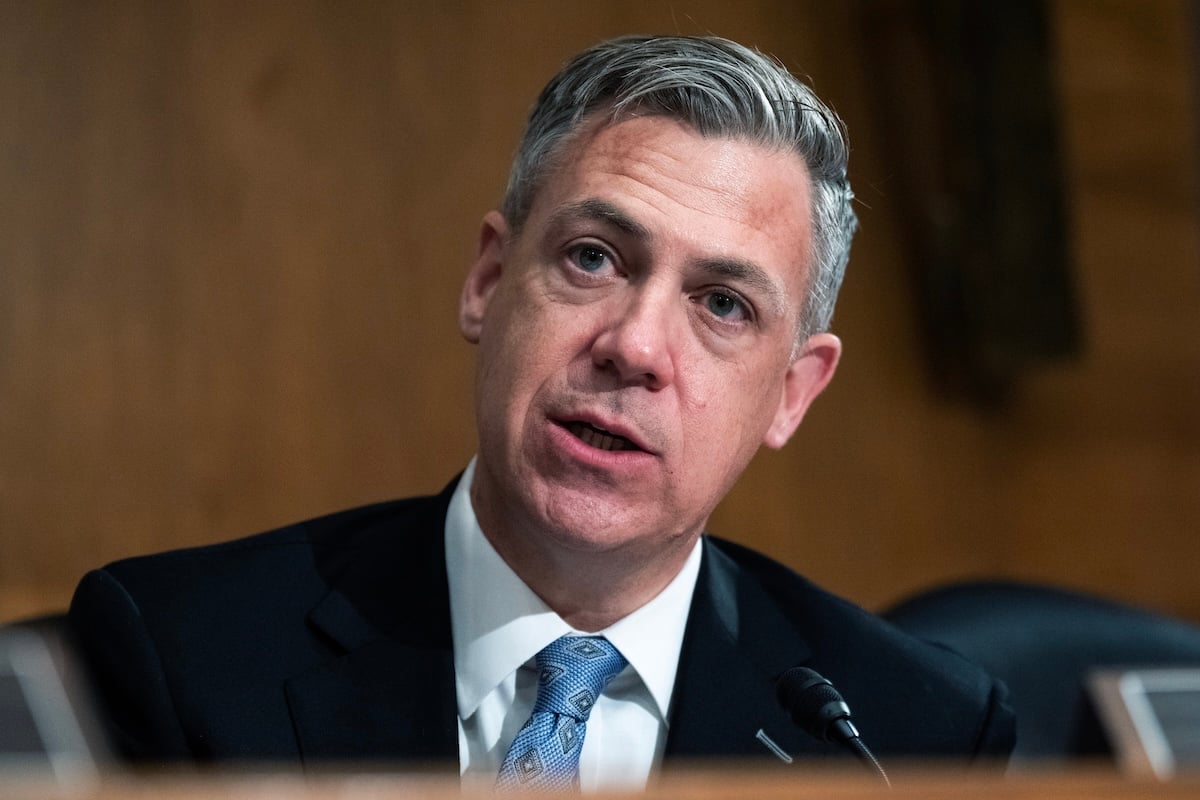
Sen. Jim Banks (R-IN) introduced S. 5451 on September 22, 2026. The bill would add a Pell-specific definition of an eligible student to the Higher Education Act, requiring every recipient to be a U.S. citizen or national. That language narrows the definition of who qualifies for a Pell Grant.
In his announcement, Banks said, “American taxpayers have no business subsidizing the college tuition of foreign nationals.” He noted the bill copies a 1994 House proposal from three Georgia Democrats.
The bill went to the Senate HELP Committee with no cosponsors, and it arrives as Congress debates how to cover the Pell Grant program’s budget shortfall.
Would you like to save this?
Why It Matters
The bill significantly narrows who is eligible for a federal Pell Grant.
The bill wouldn’t change anything for undocumented students. They’re already barred from federal student aid, as are students with DACA, temporary protected status, or a student visa, according to the Federal Student Aid Handbook.
Banks says current law lets “some illegal aliens” receive federal student aid, but undocumented people are not eligible. Students answer the citizenship questions on the FAFSA, and the Education Department checks eligible noncitizen status with immigration authorities.
The students who would lose Pell Grants under this proposal are lawful immigrants. Today, green card holders, refugees, asylees, certain parolees, and trafficking and domestic violence survivors with approved status can all receive a grant.
The 2026-27 maximum Pell Grant is $7,395, so a student who qualifies for the full award would lose up to about $29,600 over four years. That loss would fall on the lowest-income college students.
Who Would Lose Pell Eligibility?
The FSA Handbook’s list of eligible noncitizens shows which students would be affected. Under S. 5451, these groups would no longer qualify for Pell, and the change would appear to reach Workforce Pell Grants for short-term training too, since they sit in the same section of the law:
- Permanent residents: Green card holders, including conditional permanent residents.
- Humanitarian admissions: Refugees, asylees, and Cuban-Haitian entrants.
- Parolees: People paroled into the U.S. for at least a year, including Ukrainian and Afghan parolees.
- Survivors: T-visa trafficking survivors and battered spouses and children with approved VAWA petitions.
- Freely Associated States citizens: Students from Micronesia, the Marshall Islands, and Palau can receive Pell Grants today under special rules. Because they aren’t U.S. nationals, the bill appears to cut them off too.
Citizens of American Samoa and Swains Island are U.S. nationals, so they would keep eligibility. The bill only changes Pell Grant eligibility, so eligible noncitizens could still use federal student loans and work-study, subject to the new borrowing limits.
| Student Status | Eligible Today | Under S. 5451 |
|---|---|---|
| U.S. Citizen Or National | Yes | Yes |
| Green Card Holder | Yes | No |
| Refugee Or Asylee | Yes | No |
| Parolee (1 Year Or More) | Yes | No |
| T-Visa Or VAWA Approved | Yes | No |
| Micronesia, Marshall Islands, Palau | Yes | No |
| DACA Or TPS | No | No |
| Undocumented | No | No |
| Student Visa (F, J) | No | No |
How Many Students Are Affected?
No current federal count of eligible non-citizens receiving Pell Grants exists. The most recent hard figure is three decades old.
A 1995 GAO report found 390,088 legal immigrants received Pell in 1992-93, about 9.7% of recipients. CBO projects 7.4 million Pell total recipients in 2025-26 (PDF File), so even a few percent would mean a six-figure number of students.
The 2025 House reconciliation bill offers a useful comparison. That version would have removed refugees, asylees, and most parolees from aid while keeping green card holders eligible. The CBO estimated it would affect fewer than 1,000 students a year, and the provision was dropped from the final version of the 2025 reconciliation law.
S. 5451 goes further because it includes permanent residents, the largest group of eligible noncitizens.
How This Connects
Noncitizen eligibility for education programs is already in court. The Education Department reinterpreted “federal public benefit” in July 2025 to cover adult education and career programs, and a federal court in Rhode Island vacated that notice on September 21, 2026.
The Justice Department has also sued Massachusetts and Rhode Island over in-state tuition for undocumented students. S. 5451 would move the question from agency rules and lawsuits into the Higher Education Act itself.
What Can Affected Students Do?
Losing access to Pell Grants wouldn’t end every other form of financial aid. State grant programs and colleges set their own eligibility rules for state and institutional grants, so eligible noncitizens should still file the FAFSA and any state aid application.
Direct Loans and federal work-study would remain available under the bill. Students who need more can look at private lenders, including lenders like Prodigy that serve immigrant students, though private loans lack federal protections and usually require a credit check.
What’s Next
S. 5451 sits in the Senate HELP Committee with no cosponsors and no House companion bill. Banks himself told Indianapolis radio station WIBC that “not a single Democrat is going to support” the bill, which means it couldn’t clear a Senate filibuster on its own.
The bill dies when the 119th Congress ends January 3, 2027, unless it rides along in a must-pass spending or reconciliation package.
Families with lawful immigrant students should file the FAFSA as usual and compare backup options like private student loans that accept noncitizen borrowers.
Editor: Colin Graves

Robert Farrington is the founder of The College Investor and is widely recognized as one of the nation’s leading voices on student loan debt and saving for college. He holds an MBA from UC San Diego Rady School of Management and has spent over 15 years researching, writing, and advising on student loans, 529 plans, financial aid programs, and saving and investing for young professionals.
Robert has been featured in the The New York Times, The Wall Street Journal, The Washington Post, NBC News, and Forbes, where he has been a regular personal finance contributor for over a decade. His work combines both professional expertise and personal experience – he successfully navigated his own student loan repayment journey and has helped thousands of readers do the same.
He is committed to making the intersection of personal finance and education transparent and accessible. You can learn more about Robert on the About Page or on his personal site RobertFarrington.com.