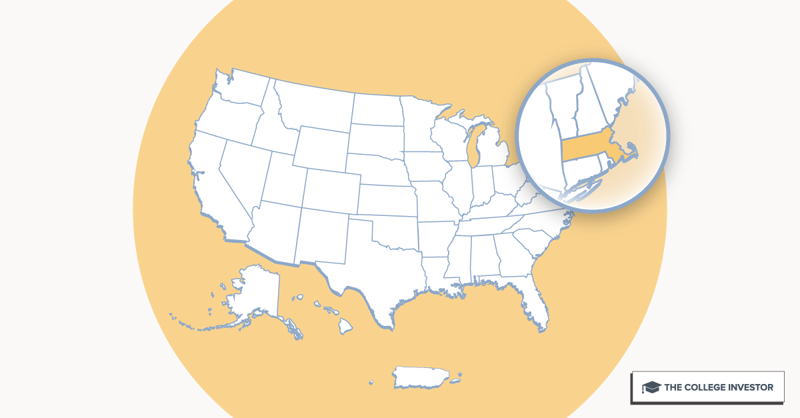
The Department of Justice filed complaints on June 29 against Massachusetts and Rhode Island, challenging state laws that grant in-state tuition, financial aid, and scholarships to undocumented immigrants.
The two suits push the DOJ's running total in this campaign to 12 states, with three filed in the past week alone.
It also comes as some states are now seeking to ban undocumented students from even enrolling in college at public universities.
Why It Matters
The cases hinge on a single federal statute, 8 U.S.C. § 1623(a), which says an immigrant not lawfully present cannot receive a postsecondary education benefit based on state residency unless that same benefit is available to every U.S. citizen, regardless of which state they live in.
The DOJ's argument is that offering in-state rates to undocumented residents while charging out-of-state citizens more flips that rule on its head. Under the Constitution's Supremacy Clause, the Department says, the state laws are preempted and must yield to federal law.
The Details
In Massachusetts, the target is the 2023 "High School Completers" Tuition Equity Law (House Bill H4040), codified at Mass. Gen. Laws ch. 15A, § 9. It extends in-state tuition plus aid through the Massachusetts Application for State Financial Aid (MASFA) and programs like MASSGrant Plus to students regardless of immigration status.
In Rhode Island, the DOJ is challenging the Student Success Act (§ 16-59-9.3), signed in July 2021, which codified a residency policy in place since 2011 that opened in-state tuition to undocumented and DACA students. The complaint also names the Rhode Island Promise Scholarship, which covers two years of tuition at the Community College of Rhode Island.
Both suits seek to permanently enjoin enforcement and have the laws declared unconstitutional.
The Bigger Picture
The filings are part of a coordinated effort that has already produced results. Courts have permanently enjoined similar laws in Texas, Kentucky, and Oklahoma, and Nebraska entered a consent decree. Suits are pending in Illinois, Minnesota, Virginia, California, New Jersey, and Kansas.
Roughly two dozen states have offered in-state tuition to undocumented students for years, many tracing back to early-2000s laws. The outcome of these cases could reshape access (and cost) for an estimated population of undocumented college students nationwide.
How This Connects
Residency status is one of the biggest levers on a college bill.
The College Investor has reported that out-of-state students often pay two to three times the in-state rate at public universities, a gap that can add tens of thousands of dollars to a four-year degree. These cases turn that pricing line (who counts as "in-state") into a federal constitutional question.
Common Questions
Why is the DOJ suing Massachusetts and Rhode Island in these new cases?
The DOJ argues that Massachusetts and Rhode Island laws granting in-state tuition to undocumented students violate federal law (8 U.S.C. § 1623) and the Constitution's Supremacy Clause because those tuition rates aren't offered to all U.S. citizens regardless of where they live.
Who could be directly affected if the DOJ wins these lawsuits against Massachusetts and Rhode Island?
Undocumented students currently paying in-state tuition at public colleges in Massachusetts and Rhode Island could lose those rates and state financial aid, forcing them to pay significantly higher out-of-state prices.
How do the Massachusetts and Rhode Island laws currently treat undocumented students for in-state tuition and financial aid?
Massachusetts' 2023 Tuition Equity Law and Rhode Island's Student Success Act let undocumented students who meet residency and high school requirements pay in-state tuition, with Massachusetts also extending state financial aid and Rhode Island offering Promise Scholarship coverage at its community college.
How could these DOJ cases change college costs for undocumented students nationwide?
With roughly two dozen states offering in-state tuition to undocumented students and courts already blocking similar laws in Texas, Kentucky, Oklahoma, and Nebraska, wins in these cases could push tuition for undocumented students to out-of-state rates across the country.
Don't Miss These Other Stories:
Editor: Colin Graves

Robert Farrington is the founder of The College Investor and is widely recognized as one of the nation’s leading voices on student loan debt and saving for college. He holds an MBA from UC San Diego Rady School of Management and has spent over 15 years researching, writing, and advising on student loans, 529 plans, financial aid programs, and saving and investing for young professionals.
Robert has been featured in the The New York Times, The Wall Street Journal, The Washington Post, NBC News, and Forbes, where he has been a regular personal finance contributor for over a decade. His work combines both professional expertise and personal experience – he successfully navigated his own student loan repayment journey and has helped thousands of readers do the same.
He is committed to making the intersection of personal finance and education transparent and accessible. You can learn more about Robert on the About Page or on his personal site RobertFarrington.com.