Puerto Rico 529 Plan Rules And College Savings Options
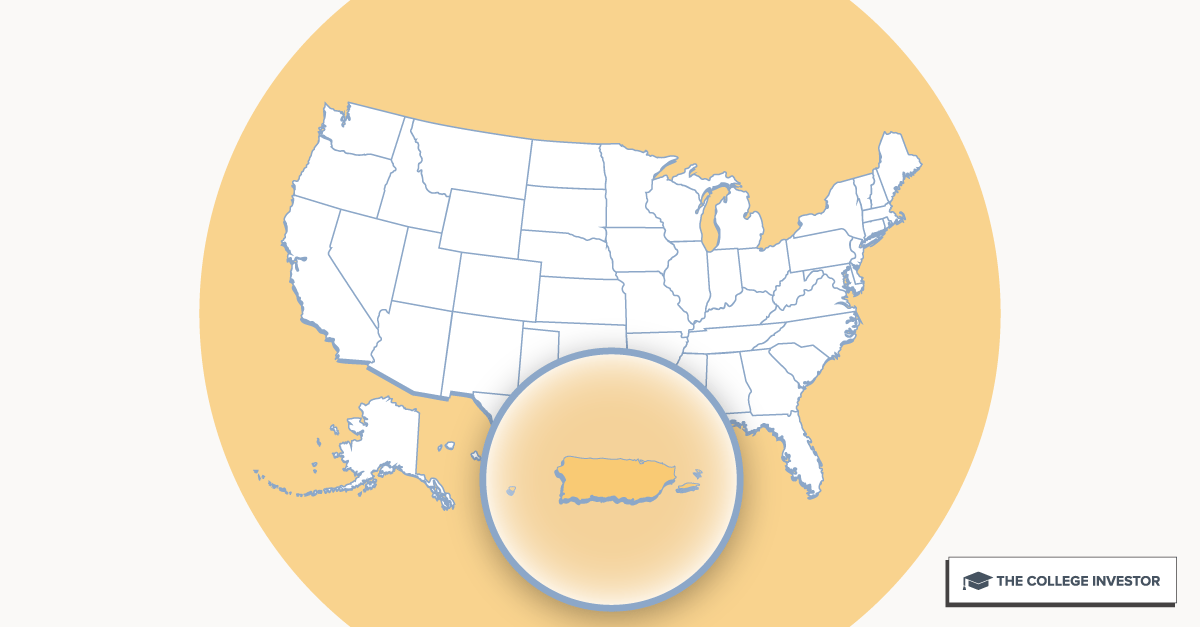
Puerto Rico doesn't sponsor its own 529 plan, so families on the island open an account in a state plan that accepts out-of-state savers. With no home-plan tax break to chase, the smart move is to pick a low-cost direct-sold plan and ignore the sponsoring state's deduction, which only helps that state's taxpayers. Puerto Rico follows the federal 529 rules, so qualified withdrawals are tax-free, but there's no Puerto Rico deduction for contributions to any plan. If you're new to these accounts, start with how 529 plans work.
Best 529 Plan Options For Puerto Rico Residents
Any family can open a 529 plan in a state that doesn't require residency, and our 529 plans by state hub lists every state's plans. The two direct-sold plans below are open to out-of-state savers and have low fees in our rankings, and we confirmed each plan's eligibility rules in its own documents.
| Plan | Sponsor | Fees In Our Rankings (Basis Points) | All-In Annual Cost | Status |
|---|---|---|---|---|
| Oklahoma 529 | Oklahoma | 10 | 0.15%–0.20% on enrollment year options; 0.15%–0.36% on risk-based options | Open |
| PA 529 Investment Plan | Pennsylvania | 16 | 0.1706%–0.2650%, plus a $10 account fee waived with e-delivery | Open |
Oklahoma 529 has no residency requirement and costs 0.15% to 0.36% a year (Oklahoma 529), and the PA 529 Investment Plan, built from Vanguard funds, is open to any legal U.S. resident age 18 or older (PA 529). Some plans that score lower on fees in our best 529 plans rankings limit their direct plans to residents, such as South Dakota's CollegeAccess 529 direct plan (CollegeAccess 529). Our list of the best brokers to open a 529 plan covers other ways to hold an account.
Puerto Rico 529 Tax Rules
Puerto Rico follows the federal 529 rules, so growth is tax-deferred and withdrawals for qualified expenses are tax-free, including college costs, up to $20,000 a year of K-12 tuition from 2026, up to $10,000 lifetime of student loan payments, registered apprenticeships, and credential programs. Our list of qualified 529 plan expenses covers what the federal rules allow.
We found no Puerto Rico deduction or credit for 529 contributions, so there's nothing to recapture when you withdraw and no Puerto Rico holding period to track. The plan you pick still sets its own rules on fees, minimums, and eligibility, so check how that plan treats Puerto Rico residents before you open an account, and our state-by-state 529 tax deduction table shows what the states offer their own taxpayers.
| Situation | Puerto Rico Tax Treatment |
|---|---|
| Contribution to a Puerto Rico 529 plan | Puerto Rico doesn't sponsor a 529 plan |
| Contribution to another state's 529 plan | No Puerto Rico deduction or credit; the sponsoring state's deduction applies only to its own taxpayers |
| Qualified college withdrawal (any accredited school) | Tax-free; Puerto Rico follows federal rules |
| K-12 tuition and expenses | Tax-free up to $20,000 per beneficiary per year starting in 2026; Puerto Rico follows federal rules |
| Student loan repayment | Tax-free up to $10,000 lifetime per borrower; Puerto Rico follows federal rules |
| Registered apprenticeship and credential program costs | Tax-free; Puerto Rico follows federal rules |
| Non-qualified withdrawal | Earnings are taxed and face the 10% federal penalty; no Puerto Rico deduction to recapture |
| Contribute and withdraw right away (529 churning) | No Puerto Rico tax effect; there's no deduction to recapture and no holding period |
| Rollover to another 529 plan | Tax-free once per 12 months under federal rules; Puerto Rico follows federal rules |
| Rollover in from another 529 plan | Tax-free under federal rules; Puerto Rico follows federal rules |
| 529-to-Roth IRA rollover | Allowed up to $35,000 lifetime under federal rules; Puerto Rico follows federal rules |
Churning rules exist to stop taxpayers from claiming a state deduction on money that passes straight through a 529 account, and since Puerto Rico offers no deduction, churning has no Puerto Rico tax effect. The sponsoring state's rules apply to its own taxpayers, not to you, and our breakdown of 529 plan churning and withdrawal limits shows which states restrict the move for their residents.
Federal law lets a 529 that's been open at least 15 years roll up to $35,000 into the beneficiary's Roth IRA, and PA 529 requires the contributions being rolled to have been in the account more than five years (PA 529). Puerto Rico follows the same federal rollover rules, and our 529-to-Roth IRA rollover rules cover the requirements.
Federal law raised the K-12 tuition limit to $20,000 per beneficiary per year for 2026 (Oklahoma 529), and Puerto Rico follows that change. Our breakdown of the 2026 529 plan expansion covers the other federal changes, including credential program costs.
Other Puerto Rico College Savings Programs
Upromise. Upromise lets you earn money for a 529 account through rebates and rewards on everyday spending, and the Upromise credit card sends cash back straight into your child's 529 plan. You can link an account from any of the plans above to your Upromise profile, which adds savings without any state tax break involved.
Leftover money. Families with money left after college can change the beneficiary to a sibling, pay down up to $10,000 of student loans, or roll to a Roth IRA under the federal rules, which Puerto Rico follows. Our list of what to do with leftover 529 money covers each option, and Puerto Rico graduates in health care and other shortage fields should also check Puerto Rico student loan forgiveness programs.
Frequently Asked Questions
Does Puerto Rico Have A 529 Plan?
No. Puerto Rico doesn't sponsor a 529 plan, and no Puerto Rico program appears in The 529 Network's June 30, 2026 plan data (The 529 Network). Residents can open another state's plan, and our 529 plans by state hub lists every option.
Does Puerto Rico Offer A 529 Tax Deduction?
We found no Puerto Rico deduction or credit for 529 contributions, and each state's deduction applies only to its own taxpayers. Our state 529 tax deduction table shows what the states offer, and Puerto Rico follows the federal rules for withdrawals.
Can A Puerto Rico Resident Open Another State's 529 Plan?
Yes. Plans such as Oklahoma 529 don't require residency (Oklahoma 529), and the money can pay for any school that qualifies under federal rules. Our explainer on where to open a 529 plan covers how to choose.
Can I Contribute To A 529 Plan In Puerto Rico And Withdraw Right Away?
Yes, and it has no Puerto Rico tax effect, since there's no Puerto Rico deduction to recapture. Federal rules still require the withdrawal to match a qualified expense in the same year, and our 529 plan churning breakdown shows which states restrict the move for their own taxpayers.
What Happens If I Withdraw 529 Money For Non-Qualified Expenses?
The earnings portion of a non-qualified withdrawal is taxed and faces a 10% federal penalty (Oklahoma 529). Puerto Rico follows the federal rules and has no deduction to recapture, and our explainer on the 529 plan penalty shows how to avoid the federal hit.
Can I Use A 529 Plan For Private K-12 School In Puerto Rico?
Yes. Puerto Rico follows the federal rules, which allow up to $20,000 per beneficiary per year for K-12 tuition starting in 2026, and our walkthrough on using a 529 plan for private school covers the paperwork.
Related Puerto Rico Resources
How We Sourced This Data
Plan details on this page come from the plans themselves: the Oklahoma 529 fee page, FAQs, and Direct Plan Description (January 1, 2026), the PA 529 Investment Plan Disclosure Statement and supplements, and the CollegeAccess 529 website, along with The 529 Network 529 plan data as of June 30, 2026 and fee figures from our best 529 plans rankings. Federal 529 rules come from the plan documents above, and Puerto Rico's conformity with those rules was confirmed by our editorial team. We found no Puerto Rico deduction or credit for 529 contributions. Read more about how we fact-check and update content.
Page refreshed annually in September, after the plans above publish their updated fee schedules, and reviewed in January for tax season. Last full refresh: September 24, 2026.
Editor: Clint Proctor Reviewed by: Ashley Barnett